

Stormwater vs. Wastewater: Key Differences Explained
Stormwater and wastewater are often mentioned together, but they serve very different roles in protecting infrastructure, waterways, and regulatory compliance. For property managers, facility owners, and municipalities, understanding the distinction is critical – especially when it comes to inspections, maintenance responsibilities, and environmental risk.
This guide keeps the focus squarely on stormwater: how it behaves, how it’s managed, and why confusing it with wastewater can lead to compliance issues and costly mistakes.
What Is Stormwater?
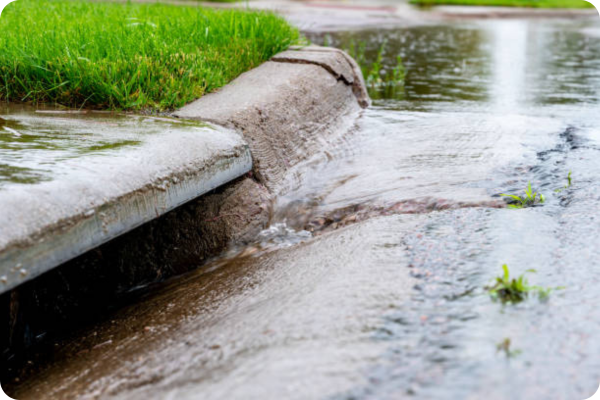
Stormwater is rainfall or snowmelt that runs off hard surfaces such as roofs, roads, parking lots, and sidewalks. Instead of soaking into the ground, this runoff travels across surfaces, collecting pollutants along the way.
Common sources of stormwater runoff include:
- Commercial and industrial sites
- Parking lots and roadways
- Rooftops and loading areas
- Construction sites
- Landscaped areas with compacted soil
Once generated, stormwater is typically conveyed through separate storm drain systems designed to discharge runoff into nearby streams, rivers, lakes, or wetlands – often without treatment unless best management practices (BMPs) are in place.
This is why stormwater management focuses heavily on pollution prevention, flow control, and system maintenance, not treatment after the fact.
What Is Wastewater?
Wastewater refers to water that has been used indoors, such as water from toilets, sinks, showers, and industrial processes. It is collected through sanitary sewer systems and routed to treatment facilities before being released back into the environment.
For the purposes of this discussion, wastewater matters mainly because it:
- Follows a different infrastructure network
- Is regulated under different permits
- Requires centralized treatment, unlike most stormwater
Understanding this distinction helps clarify why stormwater compliance places responsibility directly on property owners and operators.
The Key Differences
1. Source of the Water
- Stormwater originates outdoors from precipitation events
- Wastewater originates indoors from plumbing fixtures and processes
Stormwater volumes and flows are highly variable and weather-dependent, making system design and maintenance especially important.
2. Infrastructure Systems
Stormwater typically flows through:
- Catch basins
- Storm drains
- Pipes and culverts
- Swales, ponds, vaults, and green infrastructure
These systems are separate from sanitary sewers in most modern developments. Cross-connections or failures between systems can create serious compliance and environmental risks.
3. Treatment vs. Management
This is one of the most misunderstood differences.
- Wastewater is treated at a facility before discharge
- Stormwater is managed at the source or along its path
Stormwater BMPs are designed to:
- Slow runoff
- Reduce peak flows
- Capture sediment and debris
- Remove pollutants like oils, metals, and nutrients
Common stormwater BMPs include:
- Hydrodynamic separators
- Bioretention facilities
- Retention and detention ponds
- Infiltration systems
- Media filter vaults
Maintenance – not treatment – is the backbone of effective stormwater control.
4. Regulatory Oversight
Stormwater is regulated primarily through:
- MS4 permits
- Industrial and construction stormwater permits
- State and local stormwater regulations
Compliance often requires:
- Routine inspections
- Documented maintenance
- Corrective actions when systems underperform
Unlike wastewater systems, stormwater compliance responsibilities frequently fall on property owners, HOAs, and facility operators, not utilities.
5. Environmental Impact
Stormwater runoff is one of the leading sources of:
- Sediment pollution
- Nutrient loading
- Heavy metals
- Hydrocarbons and trash
Because stormwater often discharges directly to surface waters, poorly maintained systems can have immediate downstream impacts – even when the site appears clean.
Why the Difference Matters for Property Owners
Confusing stormwater with wastewater can result in:
- Missed inspection requirements
- Inadequate maintenance planning
- Improper system design or retrofits
- Permit violations and enforcement actions
Stormwater systems don’t announce when they’re failing. Sediment buildup, clogged structures, and overgrown vegetation quietly reduce performance until flooding, erosion, or water quality issues appear.
Stormwater Requires a Proactive Approach
Unlike wastewater, stormwater systems are only effective if they are:
- Inspected regularly
- Maintained proactively
- Designed with long-term performance in mind
A functioning stormwater system protects:
- Your site
- Nearby waterways
- Regulatory standing
- Long-term infrastructure investment
Final Takeaway
Stormwater and wastewater may sound similar, but they are managed in fundamentally different ways. Stormwater management is about control, prevention, and maintenance – not treatment.
Understanding this distinction helps property owners and managers make informed decisions, stay compliant, and avoid costly environmental and operational issues.
If stormwater flows across your property, it’s your responsibility to manage it properly.
📞 Call us at (410) 231-3455 or 💬 Contact us online.



Real Results
iStormwater LLC was an excellent choice. They made the process of the Stormwater pond repairs seamless. They took charge of the project and got the project approved and passing the inspection. We highly recommend them and would use them again.
Incredible stormwater management service. The owner John consulted on a property I manage and ended up saving us thousands of dollars in environmental fees from the government. Now, our property is compliant with the EPA and we have a great partner to keep us maintained on stormwater regulations over time.
So helpful with all of my water issues.
Great communication and leadership and a family friendly atmosphere. Thank you John!
Working With Government Contractors on Stormwater Projects Government contracts demand accountability. Whether the scope involves infrastructure improvements, public works upgrades, transportation corridors, or long-term municipal...
- Annapolis
- Anne Arundel County
- Baltimore County
- Baltimore
- Bel Air South
- Bethesda
- Bowie
- Cecil County
- Charles County
- Columbia
- Gaithersburg
- Glen Burnie
- Howard County
- Montgomery County
- Pasadena
- Prince George’s County
- Rockville
- Severna Park
- St. Mary’s County