

The Real Cost of Ignoring Stormwater Maintenance
Stormwater systems are designed to work quietly in the background. When everything is functioning properly, most property managers never have to think about them. But when maintenance is delayed or ignored, the costs don’t just show up in a single repair bill – they compound over time.
Deferred stormwater maintenance often leads to structural damage, regulatory problems, and expensive emergency repairs. What starts as a small issue, like sediment buildup or clogged outlets, can quickly turn into a major liability for commercial property owners.
Below are the most common hidden costs associated with putting off stormwater system maintenance.
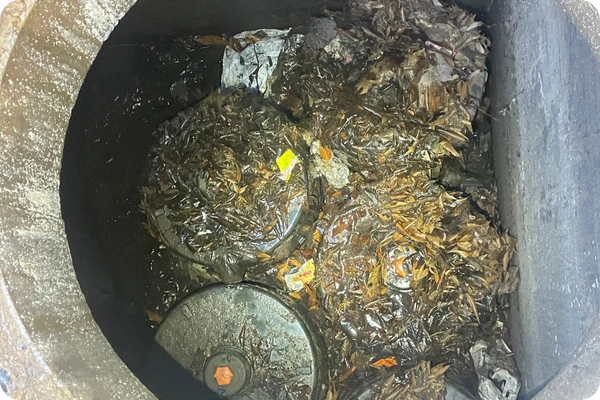
1. Reduced System Capacity and Performance
Most stormwater facilities are engineered to store and treat a specific volume of runoff. Over time, sediment, trash, and organic debris accumulate inside the system.
When maintenance is deferred:
-
Sediment reduces available storage volume
-
Inlets and outlets become partially or fully blocked
-
Flow paths change, causing uneven erosion or standing water
-
Water quality treatment becomes less effective
Even a small reduction in capacity can increase the risk of localized flooding, especially during heavy storms.
2. Accelerated Structural Damage
Stormwater systems rely on proper flow patterns to protect their structural components. When debris or sediment alters those patterns, it can lead to:
-
Erosion around pipes, risers, and outfalls
-
Undermining of concrete or metal structures
-
Cracked or failing headwalls
-
Damaged liners or embankments
These issues are far more expensive to repair than routine maintenance tasks like sediment removal or debris clearing.
3. Increased Risk of Property Damage
When a system can’t handle runoff as designed, the surrounding property is often the first to suffer.
Deferred maintenance can contribute to:
-
Parking lot flooding
-
Erosion around building foundations
-
Sinkholes or pavement settlement
-
Damage to landscaping and hardscapes
These problems don’t just impact the stormwater system – they affect tenant safety, accessibility, and the overall appearance of the property.
4. Regulatory Violations and Fines
Many commercial properties are required to maintain stormwater facilities under local or state regulations. These requirements are often tied to:
-
Site development approvals
-
Environmental permits
-
Local stormwater ordinances
-
HOA or municipal agreements
If a system is not properly maintained, inspections may result in:
-
Mandatory repairs within short timelines
-
Fines or enforcement actions
-
Required engineering reports or retrofits
In many cases, the cost of emergency compliance work far exceeds the cost of routine maintenance.
5. Emergency Repairs at Premium Costs
Deferred maintenance often leads to failures at the worst possible time – during or immediately after a storm event.
Emergency repairs typically involve:
-
After-hours or rush scheduling
-
Mobilizing equipment on short notice
-
Temporary fixes to control flooding or erosion
-
Disruptions to tenants or business operations
Because of the urgency, these repairs are almost always more expensive than planned, preventive work.
6. Shortened Lifespan of Stormwater Assets
Stormwater systems are long-term infrastructure investments. With proper maintenance, many facilities can perform effectively for decades.
Without routine upkeep:
-
Sediment builds up year after year
-
Vegetation becomes invasive or unmanaged
-
Structural components deteriorate faster
-
Treatment devices clog or fail prematurely
This can lead to early replacement of systems that were originally designed for a much longer service life.
7. Decreased Property Value and Curb Appeal
Stormwater issues are often visible:
-
Overgrown or algae-filled ponds
-
Eroded slopes
-
Trash-filled inlets or vaults
-
Standing water in landscaped areas
These conditions can negatively impact:
-
Tenant satisfaction
-
Lease renewals
-
Property value
-
Buyer or investor perceptions during due diligence
What appears to be a “small” maintenance issue can become a red flag during property inspections or sales.
The Cost Comparison: Maintenance vs. Neglect
| Scenario | Typical Cost Range | Long-Term Impact |
|---|---|---|
| Routine inspection and debris removal | Low | Keeps system functioning as designed |
| Scheduled sediment removal | Moderate | Restores capacity and extends system life |
| Emergency structural repair | High | Disruptive, often unplanned expense |
| Full system retrofit or replacement | Very high | Major capital project, possible downtime |
In most cases, proactive maintenance costs a fraction of what emergency repairs or replacements require.
Why Preventive Maintenance Is the Smarter Investment
A consistent stormwater maintenance plan helps:
-
Preserve system capacity and performance
-
Prevent costly structural damage
-
Reduce regulatory risk
-
Extend the life of the facility
-
Protect surrounding property and tenants
Instead of reacting to problems after they occur, preventive maintenance keeps issues small, predictable, and manageable.
Final Thoughts
Stormwater systems are easy to overlook – until something goes wrong. But the real expense often isn’t the initial problem. It’s the chain reaction of repairs, violations, and property damage that follows.
Deferred maintenance rarely saves money. More often, it simply shifts small, manageable costs into larger, unexpected ones.
A proactive approach helps protect both the stormwater system and the property it serves.
📞 Call us at (410) 231-3455 or 💬 Contact us online.


Real Results
iStormwater LLC was an excellent choice. They made the process of the Stormwater pond repairs seamless. They took charge of the project and got the project approved and passing the inspection. We highly recommend them and would use them again.
Incredible stormwater management service. The owner John consulted on a property I manage and ended up saving us thousands of dollars in environmental fees from the government. Now, our property is compliant with the EPA and we have a great partner to keep us maintained on stormwater regulations over time.
So helpful with all of my water issues.
Great communication and leadership and a family friendly atmosphere. Thank you John!
Buying a commercial property means evaluating much more than the building, parking lot, roof, utilities, and financials. The property's stormwater management system can carry its...
- Annapolis
- Anne Arundel County
- Baltimore County
- Baltimore
- Bel Air South
- Bethesda
- Bowie
- Cecil County
- Charles County
- Columbia
- Gaithersburg
- Glen Burnie
- Howard County
- Montgomery County
- Pasadena
- Prince George’s County
- Rockville
- Severna Park
- St. Mary’s County