

Guaranteed Quality Service! (410) 231-3455
water drops

Stormwater Access Points: Why They Matter for Maintenance
Posted On: May 05, 2026

Stormwater systems are designed to manage runoff, protect downstream waterways, and help properties stay compliant with local and state regulations. But even the most well-designed system can become a liability if it cannot be properly inspected, accessed, and maintained.

That’s where stormwater access points come in.

These often-overlooked system components play a critical role in allowing maintenance crews to inspect infrastructure, remove sediment and debris, identify structural issues, and ensure long-term system performance. Without adequate access, even routine maintenance becomes more difficult, expensive, and less effective.

For commercial property owners and managers across Maryland, Northern Virginia, Washington DC, and Delaware, understanding stormwater access points can help prevent costly maintenance delays, compliance failures, and system deterioration.

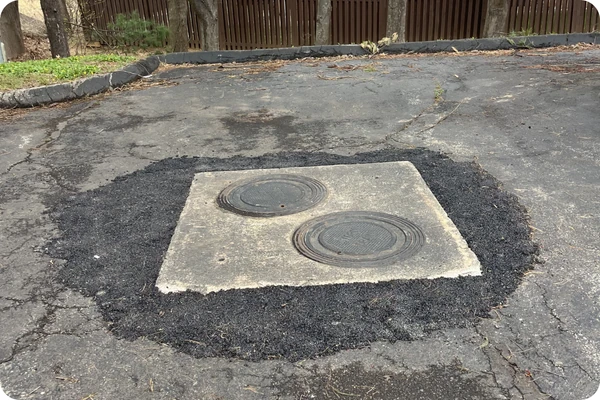
Stormwater Manhole

What Are Stormwater Access Points?

Stormwater access points are designated openings or entry locations built into a stormwater management system to allow for inspection, cleaning, maintenance, and repairs.

They provide physical access to underground or enclosed stormwater infrastructure that would otherwise be difficult or impossible to evaluate.

Common stormwater access points include:

  • Manholes
  • Catch basin grates
  • Inlet structures
  • Outlet control structures
  • Riser structures
  • Cleanouts
  • Vault access hatches
  • Inspection ports
  • Forebay access areas
  • Access roads to ponds and facilities

These features are incorporated into stormwater systems to support ongoing maintenance throughout the life of the system.

Why Stormwater Access Matters

Stormwater systems are not “set it and forget it” infrastructure.

Over time, systems accumulate:

  • Sediment
  • Trash and floatables
  • Organic debris
  • Vegetation overgrowth
  • Structural wear
  • Blockages

If maintenance teams cannot safely and efficiently access system components, these issues often go unresolved until they become larger problems.

Proper access points allow maintenance professionals to:

Perform Routine Inspections

Inspections are essential for identifying:

  • Sediment accumulation
  • Pipe blockages
  • Erosion
  • Structural deterioration
  • Standing water issues
  • Invasive vegetation growth

Without access, inspection reports may rely on surface observations alone, leaving hidden issues undetected.

Remove Sediment and Debris

Many stormwater systems require periodic cleaning using vac trucks, jetting equipment, or manual debris removal.

Access points make it possible to reach:

  • Underground chambers
  • Drainage pipes
  • Forebays
  • Pretreatment devices
  • Underground detention systems

Restricted access often leads to incomplete maintenance and reduced system performance.

Diagnose Drainage Problems Faster

When runoff begins pooling, draining slowly, or backing up, maintenance crews need direct access to identify the cause.

Accessible infrastructure allows technicians to quickly pinpoint whether the issue involves:

  • Sediment buildup
  • Pipe obstruction
  • Outlet clogging
  • Structural collapse
  • Control structure malfunction

This speeds up repairs and reduces disruption to the property.

Support Regulatory Compliance

Stormwater facilities in Maryland, Virginia, DC, and Delaware often require periodic inspections and documented maintenance under local MS4, environmental, and stormwater management requirements.

If access limitations prevent proper inspection or maintenance, property owners may face:

Common Stormwater Access Problems

Access points themselves can become maintenance issues.

Some of the most common problems include:

Overgrown Vegetation

Dense vegetation around structures can make access difficult or unsafe.

This is especially common around:

  • Pond riser structures
  • Outfalls
  • Forebays
  • Bioretention observation wells

Overgrowth can conceal damage, obstruct inspections, and delay maintenance response.

Buried or Obstructed Structures

Over time, sediment buildup or landscaping changes can partially bury access structures.

Examples include:

  • Catch basin rims buried under asphalt overlays
  • Observation wells covered by mulch
  • Access lids obscured by sediment or turf growth

These conditions make routine servicing more difficult and can increase labor costs.

Damaged Access Covers

Broken, corroded, or missing access covers create both maintenance and safety concerns.

Damaged covers may:

  • Prevent entry
  • Pose trip hazards
  • Allow debris intrusion
  • Accelerate system deterioration

Limited Equipment Access

Even if the access structure itself is functional, crews may not be able to bring in necessary equipment due to:

  • Fencing
  • Poor site layout
  • Locked gates
  • Inadequate access roads
  • Landscaping obstructions

This can make sediment removal or repairs significantly more complicated.

How Access Impacts Long-Term System Performance

Stormwater maintenance is most effective when it is proactive.

Accessible systems are easier to inspect regularly, which allows issues to be identified before they escalate into costly repairs.

When access is limited, maintenance often becomes reactive.

This can lead to:

  • Reduced storage capacity
  • Persistent drainage issues
  • Structural damage
  • Premature system failure
  • Increased rehabilitation costs

A system that cannot be accessed efficiently is far more likely to fall out of compliance and underperform over time.

Stormwater Access Considerations for Property Managers

Property managers should periodically evaluate whether stormwater access points remain functional and unobstructed.

Key questions to ask include:

Can all system components be safely reached for inspection?

Are access structures clearly visible and identifiable?

Is vegetation restricting access?

Can vac trucks or maintenance equipment reach the system?

Are covers, grates, and hatches in good condition?

Addressing these issues early can significantly reduce future maintenance costs.

Why Professional Inspections Matter

Stormwater professionals know what to look for beyond surface-level conditions.

A qualified inspection can identify:

  • Hidden access limitations
  • Maintenance obstacles
  • Structural concerns
  • Compliance risks
  • Operational deficiencies

In many cases, improving access is one of the simplest ways to improve overall maintenance efficiency and extend system life.

Keep Stormwater Systems Accessible and Functional

Stormwater access points are a foundational part of effective stormwater maintenance.

When these entry points are visible, functional, and unobstructed, inspections are more accurate, maintenance is more efficient, and systems perform as intended.

When they are neglected, even minor maintenance needs can become major operational problems.

For commercial properties across Maryland, Northern Virginia, Washington DC, and Delaware, maintaining access is one of the smartest ways to protect stormwater infrastructure and avoid preventable compliance issues.

If your stormwater system hasn’t been inspected recently, evaluating access points is an excellent place to start.

Badge
speech bubble icon

Real Results

iStormwater LLC was an excellent choice. They made the process of the Stormwater pond repairs seamless. They took charge of the project and got the project approved and passing the inspection. We highly recommend them and would use them again.

Lyonswood HOA

Incredible stormwater management service. The owner John consulted on a property I manage and ended up saving us thousands of dollars in environmental fees from the government. Now, our property is compliant with the EPA and we have a great partner to keep us maintained on stormwater regulations over time.

Kelly E.

So helpful with all of my water issues.

Kel R.

Great communication and leadership and a family friendly atmosphere. Thank you John!

Brian D.
Stormwater Access Points: Why They Matter for Maintenance
Posted On:May 6, 2026

Stormwater systems are designed to manage runoff, protect downstream waterways, and help properties stay compliant with local and state regulations. But even the most well-designed...

Badge