

Stormwater Manholes: Inspection and Maintenance Basics
Stormwater systems don’t typically fail all at once – they degrade gradually, often out of sight. One of the most overlooked but critical components in that process is the stormwater manhole.
Whether located in a parking lot, along a roadway, or within a larger drainage network, manholes provide essential access to underground infrastructure. When they’re not properly inspected and maintained, small issues can escalate into costly repairs, drainage failures, and compliance risks.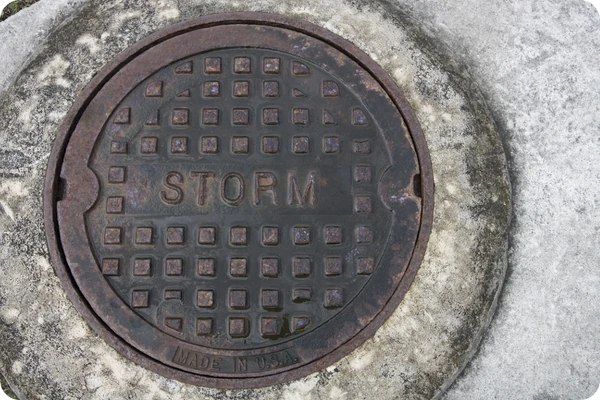
What Is a Stormwater Manhole?
A stormwater manhole is an access structure that allows for inspection, cleaning, and maintenance of underground stormwater pipes and conveyance systems.
Unlike inlets or catch basins, which are designed to collect surface runoff, manholes are primarily used to:
- Provide access to pipe connections and junctions
- Allow changes in pipe direction, slope, or diameter
- Facilitate inspection and maintenance activities
- Support sediment and debris removal within the system
They are typically constructed from precast concrete, brick, or plastic materials and include a lid or grate at the surface.
Why Manhole Maintenance Matters
Manholes are often “out of sight, out of mind,” but they play a direct role in how well a stormwater system performs.
Neglected manholes can lead to:
- Restricted flow from sediment buildup
- Backups and localized flooding during storm events
- Structural deterioration that spreads to connected pipes
- Safety hazards such as sinkholes or collapsing lids
- Regulatory non-compliance during inspections
Because manholes sit at key connection points in a system, problems here can impact multiple downstream components – not just a single location.
What Inspectors Look for in Stormwater Manholes
Routine inspections – whether part of a compliance program or proactive maintenance plan – focus on both structural condition and functional performance.
1. Sediment and Debris Accumulation
Over time, sediment transported through the system settles in the manhole base (invert). Excess buildup can reduce pipe capacity, alter flow patterns, and contribute to blockages downstream.
Even moderate accumulation can become a problem if left unaddressed.
2. Structural Integrity
Inspectors evaluate the condition of the manhole structure itself, including:
- Cracks in walls or benching
- Deterioration of brick or concrete
- Signs of corrosion or material breakdown
- Loose or missing steps and rungs
Structural issues can allow water infiltration or lead to eventual failure.
3. Pipe Connections and Inverts
The points where pipes enter and exit the manhole are especially vulnerable. Common issues include:
- Misaligned or offset pipes
- Deteriorated pipe inverts
- Gaps or leaks at joints
- Erosion around connection points
These problems can disrupt flow and accelerate system wear.
4. Infiltration and Inflow
Unintended water entering the system – through cracks, joints, or covers – can overload stormwater infrastructure.
Inspectors look for standing water during dry weather, staining or mineral deposits on walls, and evidence of groundwater intrusion.
This is especially important in older systems or areas with high water tables.
5. Frame and Cover Condition
At the surface level, the manhole lid and frame must remain secure and functional.
Common findings include:
- Broken or cracked covers
- Improper seating or alignment
- Excessive wear from traffic loads
- Missing or unsecured lids (a major safety issue)
Surface-level problems are often the most visible – but they’re not always addressed promptly.
Maintenance Best Practices
Effective manhole maintenance is less about reacting to failures and more about preventing them.
Routine Cleaning
Periodic cleaning – often performed with a vac truck – removes accumulated sediment, debris, and floatables from the manhole base.
Frequency depends on:
- Site conditions
- Upstream erosion or sediment sources
- System usage and design
High-traffic or high-sediment areas may require more frequent service.
Targeted Repairs
When inspections identify structural or functional issues, timely repairs are critical. These may include:
- Sealing cracks and joints
- Rebuilding benching or inverts
- Stabilizing pipe connections
- Replacing damaged frames and covers
Delaying repairs often leads to more extensive – and expensive – work later.
Coordinated System Maintenance
Manholes should not be maintained in isolation. Because they connect multiple system components, their condition is tied to:
- Upstream inlets and catch basins
- Downstream pipes and outfalls
- Overall drainage performance
Addressing manhole issues without considering the broader system can limit effectiveness.
How Often Should Stormwater Manholes Be Inspected?
Inspection frequency is typically driven by local regulations, but general best practices include:
- Annual inspections for most commercial properties
- Post-storm inspections after major rainfall events
- More frequent checks in high-risk or problem-prone areas
In regions like Maryland, DC, Northern Virginia, and Delaware, inspection requirements are often tied to stormwater management permits and local jurisdictional guidelines.
Common Signs of Manhole Problems
Even without opening a manhole, certain surface-level indicators can suggest underlying issues:
- Ponding water near manhole covers
- Slow drainage in nearby inlets
- Unusual odors or visible debris
- Depressions or settling pavement
- Rattling or unstable covers under traffic
These signs warrant further inspection before conditions worsen.
Supporting Compliance and Long-Term Performance
For property managers and facility owners, stormwater manholes are a key part of maintaining compliance and protecting infrastructure investments.
Regular inspection and maintenance help:
- Extend the lifespan of underground systems
- Reduce the risk of emergency repairs
- Support regulatory reporting requirements
- Maintain safe conditions for vehicles and pedestrians
Ignoring them, on the other hand, often leads to avoidable system failures.
Final Thoughts
Stormwater manholes may not be the most visible part of a drainage system, but they are one of the most important.
By prioritizing routine inspections, addressing issues early, and integrating manholes into a broader maintenance strategy, property owners can avoid costly disruptions and keep their systems functioning as designed.
📞 Call us at (410) 231-3455 or 💬 Contact us online.



Real Results
iStormwater LLC was an excellent choice. They made the process of the Stormwater pond repairs seamless. They took charge of the project and got the project approved and passing the inspection. We highly recommend them and would use them again.
Incredible stormwater management service. The owner John consulted on a property I manage and ended up saving us thousands of dollars in environmental fees from the government. Now, our property is compliant with the EPA and we have a great partner to keep us maintained on stormwater regulations over time.
So helpful with all of my water issues.
Great communication and leadership and a family friendly atmosphere. Thank you John!
Standing water around a storm drain often looks like a simple clog. Sometimes it is. But when the grate is clear and water is still...
- Annapolis
- Anne Arundel County
- Baltimore County
- Baltimore
- Bel Air South
- Bethesda
- Bowie
- Cecil County
- Charles County
- Columbia
- Gaithersburg
- Glen Burnie
- Howard County
- Montgomery County
- Pasadena
- Prince George’s County
- Rockville
- Severna Park
- St. Mary’s County