

Guaranteed Quality Service! (410) 231-3455
water drops

Choosing Between Stormwater Jetting and Vacuuming Services
Posted On: May 05, 2026

Stormwater systems are designed to move, store, and treat runoff efficiently, but over time, debris accumulation, sediment buildup, and blockages can reduce performance. Routine maintenance is essential for preventing flooding, drainage failures, water quality violations, and costly repairs.

Two of the most common maintenance methods used in stormwater infrastructure are jetting and vacuuming. While these services are often performed together, they serve different purposes and are effective under different conditions. Understanding when to use each method can help property managers, HOAs, municipalities, contractors, and commercial property owners maintain stormwater systems more effectively and avoid unnecessary damage or recurring issues.

Stormwater Jetting Vs Vacuuming

What Is Stormwater Jetting?

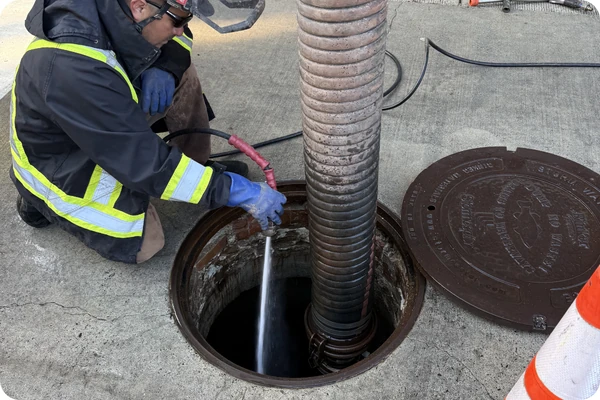
Stormwater jetting, sometimes called hydro jetting or water jet cleaning, uses high-pressure water to clean the interior walls of stormwater pipes and conveyance systems.

Specialized nozzles attached to jetting equipment propel pressurized water through the pipe, breaking apart and flushing out:

  • Sediment buildup
  • Grease or organic material
  • Fine debris
  • Root intrusion
  • Mineral deposits
  • Compacted material attached to pipe walls

Jetting restores flow capacity by loosening material that restricts water movement.

What Is Stormwater Vacuuming?

Stormwater vacuuming uses a vacuum truck, often called a vac truck, to physically remove debris, sediment, standing water, trash, and slurry from stormwater structures.

Vacuuming is commonly used in:

  • Catch basins
  • Storm drain inlets
  • Manholes
  • Forebays
  • Stormwater ponds
  • Underground treatment structures
  • Pipe systems after jetting

The vacuum system lifts material into a debris tank for proper disposal.

Unlike jetting, vacuuming does not rely on water pressure to break apart buildup. Instead, it removes existing material from the system.

The Key Difference Between Jetting and Vacuuming

The simplest way to understand the difference is:

  • Jetting cleans and loosens debris
  • Vacuuming removes debris from the system

In many stormwater maintenance projects, the two methods work together rather than independently.

For example:

  • Jetting may break apart sediment and flush it downstream
  • Vacuuming then removes the loosened material from a downstream structure or manhole

Without vacuuming, dislodged debris may simply relocate within the system and create another blockage later.

When Stormwater Jetting Is the Better Option

Jetting is typically used when the primary issue involves restricted pipe flow or material adhered to pipe walls.

Common Situations Where Jetting Is Effective

Pipe Sediment Accumulation

Over time, fine sediment can accumulate along pipe bottoms and reduce hydraulic capacity. Jetting helps dislodge compacted material before it hardens further.

Slow Drainage Issues

If runoff drains slowly after storms, jetting may restore proper flow by clearing buildup inside conveyance pipes.

Root Intrusion

Tree roots can infiltrate stormwater pipes through joints or cracks. High-pressure jetting can cut through smaller root masses and restore temporary flow.

Preventive Maintenance Programs

Routine jetting can help prevent severe blockages before they require excavation or emergency repairs.

Long Pipe Runs

Jetting is particularly useful in long underground pipe sections that cannot be cleaned manually.

When Vacuuming Is the Better Option

Vacuuming is ideal when material must be physically extracted from structures or confined areas.

Common Situations Where Vacuuming Is Effective

Catch Basin Cleaning

Catch basins are designed to trap sediment and debris before it enters downstream systems. Vacuuming removes accumulated material before capacity is reduced.

Heavy Sediment Removal

When large amounts of sediment have already settled in structures, vacuum trucks can remove material efficiently without redistributing it.

Standing Water and Sludge

Vacuum equipment can remove water, sludge, floatables, and organic buildup from stormwater structures.

Post-Construction Cleanup

Construction sites often generate sediment, trash, and debris that enter nearby drainage systems. Vacuuming helps remove accumulated material after project completion.

Stormwater BMP Maintenance

Many stormwater best management practices (BMPs), including hydrodynamic separators and proprietary treatment systems, require vacuum cleaning as part of routine maintenance.

Why Jetting and Vacuuming Are Often Used Together

In many cases, the most effective stormwater maintenance approach combines both methods.

A common workflow includes:

  1. Inspecting the system with CCTV or visual assessment
  2. Jetting pipes to loosen debris and sediment
  3. Vacuuming removed material from downstream structures
  4. Re-inspecting the system to confirm flow restoration

Using both methods together often provides a more complete cleaning than either method alone.

Factors That Determine Which Method Should Be Used

Several conditions influence whether jetting, vacuuming, or both are appropriate.

Type of Debris

Different debris types require different cleaning approaches.

Debris Type Preferred Method
Fine sediment inside pipes Jetting
Heavy sediment in structures Vacuuming
Trash and floatables Vacuuming
Compacted pipe buildup Jetting
Sludge and slurry Vacuuming
Root intrusion Jetting
Mixed debris systems Combined approach

Pipe Condition

Older or damaged pipes may not tolerate aggressive jetting pressures.

Operators must consider:

  • Pipe material
  • Structural condition
  • Existing cracks or offsets
  • Joint integrity

Improper jetting pressure can worsen damaged infrastructure if not performed carefully.

Accessibility

Vacuum trucks require physical access to structures, while jetting equipment can sometimes reach longer underground sections more effectively.

Environmental Compliance

Sediment and debris removed during maintenance must often be disposed of properly to meet local stormwater and environmental regulations.

Signs Your Stormwater System May Need Jetting or Vacuuming

Property owners and managers should watch for warning signs that maintenance may be necessary.

Common Indicators Include

  • Water backing up into parking lots
  • Standing water near drains
  • Slow drainage after storms
  • Sediment visible in catch basins
  • Foul odors from storm structures
  • Recurring localized flooding
  • Debris accumulation near inlets
  • Overflow during moderate rainfall events

Ignoring these issues can allow minor maintenance needs to become larger infrastructure problems.

The Importance of Preventive Stormwater Maintenance

Waiting until a stormwater system fails can lead to:

  • Emergency repairs
  • Property damage
  • Erosion issues
  • Compliance violations
  • Safety hazards
  • Increased maintenance costs

Preventive jetting and vacuuming programs help maintain system performance while extending the lifespan of stormwater infrastructure.

Routine inspections also help identify:

  • Structural damage
  • Pipe deterioration
  • Sediment trends
  • Blockage patterns
  • Maintenance frequency needs

Choosing the Right Stormwater Maintenance Contractor

Stormwater maintenance requires specialized equipment and trained operators who understand hydraulic systems, sediment management, and infrastructure limitations.

When selecting a contractor, property managers and owners should look for:

  • Experience with stormwater systems
  • Proper vac truck and jetting equipment
  • CCTV inspection capabilities
  • Knowledge of stormwater regulations
  • Disposal compliance procedures
  • Preventive maintenance planning

Not every drainage issue requires the same cleaning approach, which is why accurate system evaluation matters.

Final Thoughts

Stormwater jetting and vacuuming are both essential maintenance methods, but they solve different problems within a stormwater system.

Jetting is primarily used to break apart and flush debris from pipes, while vacuuming removes sediment, sludge, trash, and water from stormwater structures. In many cases, the most effective maintenance strategy combines both methods to fully restore system function.

Understanding when each method should be used can help property owners reduce flooding risks, improve drainage performance, extend infrastructure lifespan, and maintain compliance with stormwater regulations.

Badge
speech bubble icon

Real Results

iStormwater LLC was an excellent choice. They made the process of the Stormwater pond repairs seamless. They took charge of the project and got the project approved and passing the inspection. We highly recommend them and would use them again.

Lyonswood HOA

Incredible stormwater management service. The owner John consulted on a property I manage and ended up saving us thousands of dollars in environmental fees from the government. Now, our property is compliant with the EPA and we have a great partner to keep us maintained on stormwater regulations over time.

Kelly E.

So helpful with all of my water issues.

Kel R.

Great communication and leadership and a family friendly atmosphere. Thank you John!

Brian D.
Choosing Between Stormwater Jetting and Vacuuming Services
Posted On:May 13, 2026

Stormwater systems are designed to move, store, and treat runoff efficiently, but over time, debris accumulation, sediment buildup, and blockages can reduce performance. Routine maintenance...

Badge