

What to Do When Your Stormwater Facility Hasn’t Been Maintained in Years
When was your stormwater facility last inspected or maintained? If you’re unsure, you’re not alone.
For commercial property owners, property managers, and HOAs, stormwater maintenance can fall through the cracks. Management companies change, maintenance records get lost, budgets shift, and facilities that appear to be functioning normally may go years without professional attention.
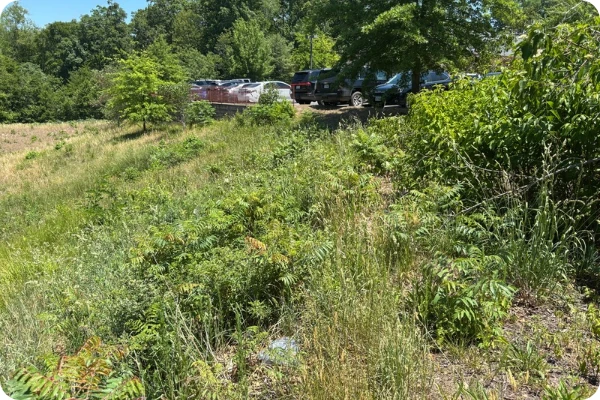
By the time the lack of maintenance becomes apparent, sediment may have accumulated, vegetation may be obstructing critical structures, or underground components may no longer be functioning as designed.
The good news? Years of neglected maintenance don’t automatically mean your stormwater facility needs to be completely rebuilt. The key is understanding its current condition, identifying what needs immediate attention, and developing a realistic plan to restore and maintain it.
Here’s where to start.
1. Start With a Professional Stormwater Facility Inspection
If a stormwater facility hasn’t been maintained in several years, scheduling an inspection should be the first step.
Without knowing the facility’s condition, it’s difficult to determine whether it needs routine cleaning, significant corrective maintenance, structural repairs, or rehabilitation.
A professional stormwater inspection can help identify:
- Sediment accumulation that may reduce storage or treatment capacity
- Blocked or restricted inlet and outlet structures
- Excessive, invasive, or inappropriate vegetation
- Erosion, settlement, or damaged embankments
- Deteriorating pipes, risers, and control structures
- Clogged filtration media or underground treatment components
- Drainage problems or abnormal standing water
- Missing, damaged, or inaccessible maintenance components
The inspection should also consider the facility’s intended design and operating requirements. A system may look overgrown or neglected without having significant structural deficiencies, while another may appear relatively clean despite having serious problems below ground.
The goal isn’t simply to create a list of everything that’s wrong. It’s to understand which conditions are affecting performance, which require further investigation, and what needs to happen next.
What If You Don’t Have Previous Inspection Reports?
Missing documentation is common, particularly when properties change ownership or management.
Start by gathering whatever information is available, including previous inspection reports, approved stormwater plans, maintenance agreements, repair invoices, and correspondence with local stormwater authorities.
If records are unavailable, a stormwater professional can help identify the facility type, document existing conditions, and determine whether additional information is needed.
For some facilities, reviewing original design plans is especially important before recommending extensive cleaning, excavation, or modifications.
2. Determine What’s Maintenance and What’s Repair
One of the biggest questions after discovering a neglected stormwater facility is whether the problems can be addressed through maintenance or whether more extensive repairs are necessary.
These aren’t always the same thing.
Maintenance Issues
Many deficiencies can be corrected through cleaning and routine or catch-up maintenance, such as:
- Removing accumulated trash and debris
- Clearing vegetation from access points and drainage structures
- Removing sediment from forebays, inlets, or treatment chambers
- Cleaning underground vaults and filtration components
- Replacing filter cartridges or media when necessary
- Restoring appropriate vegetation management
Repair or Rehabilitation Issues
Other conditions may require more involved corrective work, including:
- Rebuilding severely eroded channels or slopes
- Repairing damaged outlet structures
- Correcting deteriorated or separated stormwater pipes
- Restoring compromised embankments
- Replacing failed components
- Rehabilitating facilities that can no longer function as designed
In some cases, neglected facilities need a combination of both.
For example, an underground detention system may have accumulated substantial sediment while also experiencing pipe deterioration. Removing the sediment addresses one issue, but it doesn’t correct the damaged infrastructure.
Likewise, clearing vegetation around a detention pond may improve accessibility without resolving erosion or sediment accumulation inside the facility.
A thorough assessment helps prevent spending money on surface-level maintenance while more significant problems remain unresolved.
3. Prioritize the Most Urgent Stormwater Problems
When a facility has accumulated years of maintenance needs, trying to address everything at once may not be practical.
A prioritized approach can help property managers direct resources toward the conditions posing the greatest immediate risk.
First Priority: Safety and Significant Drainage Concerns
Conditions that may warrant urgent evaluation include:
- Severe embankment erosion or apparent instability
- Sinkholes or significant ground settlement
- Damaged structures that create safety hazards
- Major restrictions affecting critical drainage paths
- Active flooding or water backing up toward buildings and occupied areas
- Evidence of structural failure
These issues should be evaluated promptly by qualified professionals. Depending on the condition, access may need to be restricted until the hazard is addressed.
Second Priority: Conditions Affecting Facility Performance
Once immediate concerns are addressed, focus on deficiencies that interfere with the facility’s intended function.
Examples include:
- Significant sediment accumulation
- Restricted inlets and outlets
- Clogged filter systems
- Obstructed overflow structures
- Inappropriate vegetation affecting drainage or treatment
- Damaged erosion protection
These conditions may reduce treatment effectiveness, restrict flow, or contribute to additional deterioration.
Third Priority: Routine and Preventative Maintenance
Other work may be scheduled as part of a longer-term maintenance plan.
This can include seasonal vegetation management, recurring debris removal, monitoring sediment accumulation, cleaning accessible structures, and maintaining inspection access.
Important: If a facility has received a Notice of Violation or another formal corrective action notice, required deadlines and specific corrective actions must be considered alongside these priorities.
A phased maintenance plan doesn’t override regulatory requirements or justify delaying urgent safety repairs.
4. Understand What Years of Neglect Mean for Different Facility Types
Not every stormwater facility deteriorates in the same way. The design, surrounding land use, incoming sediment load, and maintenance history all influence what may be needed to restore performance.
Retention and Detention Ponds
Long-neglected ponds may require more than mowing or clearing vegetation.
Potential concerns include sediment accumulation, reduced storage capacity, erosion, obstructed outlet structures, damaged embankments, and restricted maintenance access.
Depending on the findings, corrective work may range from targeted sediment removal and vegetation management to structural repairs or more extensive pond rehabilitation.
Bioretention Facilities and Rain Gardens
Bioretention facilities depend on appropriate vegetation, engineered soil media, and properly functioning drainage paths.
Years without maintenance can result in sediment deposits, invasive vegetation, clogged media, erosion, and declining infiltration or filtration performance.
Restoration may involve removing accumulated material, correcting drainage problems, replacing media where necessary, and reestablishing appropriate vegetation.
Underground Stormwater Facilities
Underground detention systems, hydrodynamic separators, sand filters, and cartridge filtration systems can accumulate substantial sediment and debris without obvious signs at the surface.
These facilities may require specialized inspection equipment, vacuum cleaning, jetting, component replacement, or additional evaluation of internal structures.
Because underground systems can present confined-space and other hazards, inspections and maintenance requiring entry must be performed by properly trained and equipped personnel.
Swales, Infiltration Basins, and Other Aboveground Systems
Facilities that rely on unobstructed flow paths or infiltration may experience excessive vegetation, sediment deposition, erosion, or compacted soils.
Restoring performance may require selective vegetation management, sediment removal, erosion correction, and rehabilitation of affected surfaces or media.
The appropriate work should be based on the facility’s approved design rather than its appearance alone.
5. Create a Phased Stormwater Maintenance Plan
Once the facility’s condition is documented, the next step is developing a plan that balances operational needs, regulatory obligations, and available budgets.
For a property with a significant maintenance backlog, separating work into phases may make the process easier to manage.
Phase 1: Address Immediate Concerns
Correct urgent safety issues, critical drainage restrictions, and deficiencies subject to applicable regulatory deadlines.
Phase 2: Complete Corrective Maintenance
Focus on accumulated maintenance needs affecting facility performance, such as sediment removal, facility cleaning, vegetation management, and component servicing.
Phase 3: Plan Necessary Repairs and Rehabilitation
Schedule structural repairs or larger restoration projects based on their severity, engineering requirements, and operational impacts.
Some projects may require additional investigation, design work, permits, or local approval before work can begin.
Phase 4: Establish Ongoing Maintenance
After the facility has been brought back into an acceptable operating condition, establish a schedule for future inspections and preventative maintenance.
Phasing work can make larger projects more manageable, but the sequence should follow actual site conditions. For example, structural stabilization may need to happen before sediment removal, while cleaning may be necessary before certain components can be adequately inspected.
6. Don’t Overlook Stormwater Compliance Requirements
A stormwater facility doesn’t have to receive a formal violation before maintenance becomes necessary.
Across Maryland, Washington, DC, Northern Virginia, and Delaware, privately maintained stormwater facilities may be subject to inspection, maintenance, and operational requirements established by local jurisdictions, approved plans, maintenance agreements, or applicable permits.
In many cases, the property owner or designated responsible party must maintain the facility in accordance with its approved design.
If maintenance has been neglected for several years, property managers should determine:
- Who is legally responsible for maintaining the facility
- Whether previous inspections identified unresolved deficiencies
- Whether an active Notice of Violation or correction notice exists
- Whether inspection or maintenance documentation is required
- Whether proposed repairs require approval from the local authority
Inspection schedules and corrective action deadlines vary by jurisdiction and facility. A county inspection cycle should not be treated as a substitute for the owner’s ongoing maintenance obligations.
What If Your Neglected Facility Has an Active Notice of Violation?
If years of deferred maintenance have resulted in a Notice of Violation (NOV), the corrective work must be evaluated alongside the deadlines established by the issuing jurisdiction.
iSTORMWATER can help property owners and managers assess the required corrections, prioritize maintenance and repairs, and coordinate with the appropriate jurisdiction as work progresses. When clarification or additional time is needed, our team can also assist with communication and documentation to support the corrective process.
Because regulatory deadlines and final compliance determinations remain with the issuing authority, addressing these requirements promptly is essential.
7. Build a Maintenance Schedule That Prevents Another Backlog
Restoring a neglected facility is only part of the solution. Without an ongoing maintenance strategy, the same conditions can return.
A practical program should reflect the facility type, condition, approved maintenance requirements, and frequency of sediment and debris accumulation.
For property managers responsible for multiple facilities, a documented schedule also provides continuity when staff, vendors, or management companies change.
Consider establishing:
- A current inventory of stormwater facilities on the property
- A recurring inspection schedule
- Planned cleaning and vegetation management
- Maintenance triggers based on inspection findings
- A system for tracking repairs and recommendations
- Records of completed maintenance
- A budget for recurring service and future capital repairs
A stormwater Maintenance Service Agreement (MSA) can help organize recurring work and reduce the likelihood of overlooked maintenance needs.
Most importantly, the schedule should reflect what the facility actually requires rather than relying on the same fixed maintenance interval for every system.
Frequently Asked Questions
Can a stormwater facility be restored after years without maintenance?
In many cases, yes. Facilities with sediment accumulation, overgrown vegetation, or clogged components may be restored through corrective maintenance and targeted repairs. However, significant structural deterioration or failed components may require rehabilitation or replacement. An inspection is necessary to determine the appropriate scope of work.
How much does it cost to restore a neglected stormwater facility?
Costs vary considerably depending on the facility type, accessibility, sediment quantity, disposal requirements, equipment needs, and extent of repairs. An underground filtration system requiring cleaning may have a very different scope than a pond needing substantial dredging or structural rehabilitation.
A condition assessment helps establish the necessary work before developing an accurate estimate.
Can we just clean the facility before the next inspection?
Cleaning may resolve some deficiencies, but it doesn’t necessarily restore full functionality or address structural problems. For facilities that haven’t been maintained in years, evaluating the system before extensive work helps ensure the correct issues are addressed.
What if we recently purchased a property with an unmaintained stormwater facility?
Begin by reviewing the property’s stormwater plans, recorded maintenance agreements, inspection history, and available maintenance records. Confirm who is responsible for the facility and arrange an inspection to document current conditions.
If existing deficiencies or regulatory notices are discovered, determine which corrective actions and deadlines apply.
How often should stormwater maintenance be performed after restoration?
There is no universal schedule for every stormwater facility. Inspection and maintenance frequency depends on the facility’s design, approved plans, local requirements, manufacturer guidance where applicable, and site-specific conditions.
A maintenance plan should account for both recurring service and corrective work identified during inspections.
Getting Your Stormwater Facility Back on Track
Discovering that your stormwater facility hasn’t been maintained in years can be overwhelming, especially when you’re responsible for managing budgets, coordinating contractors, and meeting compliance requirements.
But you don’t have to address every issue at once, and years of neglect don’t necessarily mean starting over.
The most effective approach is to assess the facility, identify immediate priorities, develop a corrective maintenance plan, and establish ongoing service to help prevent the same problems from returning.
At iSTORMWATER, we help commercial property owners, property managers, and HOAs throughout Maryland, Washington, DC, Northern Virginia, and Delaware evaluate neglected stormwater facilities and develop practical solutions.
From inspections and maintenance to structural repairs, rehabilitation, and assistance with Notice of Violation corrections, our team can help you prioritize the work, coordinate with local jurisdictions, and get your stormwater facility back on track.
Not sure when your facility was last maintained, or facing a compliance deadline? Contact iSTORMWATER to schedule an inspection and discuss your next steps.
📞 Call us at (410) 231-3455 or 💬 Contact us online.


Real Results
iStormwater LLC was an excellent choice. They made the process of the Stormwater pond repairs seamless. They took charge of the project and got the project approved and passing the inspection. We highly recommend them and would use them again.
Incredible stormwater management service. The owner John consulted on a property I manage and ended up saving us thousands of dollars in environmental fees from the government. Now, our property is compliant with the EPA and we have a great partner to keep us maintained on stormwater regulations over time.
So helpful with all of my water issues.
Great communication and leadership and a family friendly atmosphere. Thank you John!
When was your stormwater facility last inspected or maintained? If you're unsure, you're not alone. For commercial property owners, property managers, and HOAs, stormwater maintenance...
- Annapolis
- Anne Arundel County
- Baltimore County
- Baltimore
- Bel Air South
- Bethesda
- Bowie
- Cecil County
- Charles County
- Columbia
- Gaithersburg
- Glen Burnie
- Howard County
- Montgomery County
- Pasadena
- Prince George’s County
- Rockville
- Severna Park
- St. Mary’s County