

Contech Jellyfish Filter Maintenance: Inspection, Cleaning, and Common Problems
Belowground stormwater treatment systems do a significant amount of work out of sight. While the surface of a property may appear clean and well-maintained, underground filtration devices can accumulate sediment, debris, oils, and other pollutants that gradually affect their performance.
The Contech Jellyfish Filter is designed to capture pollutants from stormwater runoff using membrane filtration technology. Its reusable filtration cartridges offer an effective treatment solution, but they still require periodic inspection, cleaning, and eventual replacement.
For commercial property owners and managers, understanding Jellyfish Filter maintenance requirements is essential to preserving treatment performance, identifying developing problems, and supporting long-term stormwater compliance.
What Is a Contech Jellyfish Filter?
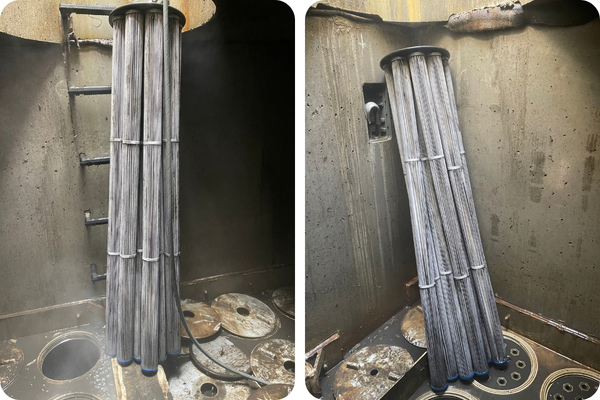
The Contech Jellyfish Filter is an engineered stormwater treatment system that uses membrane filtration to remove suspended solids and associated pollutants from stormwater runoff.
Unlike systems that rely on conventional disposable filter media, Jellyfish Filters contain reusable membrane filtration elements commonly referred to as tentacles because of their distinctive appearance.
Each cartridge consists of 11 membrane-encased filtration tentacles attached to a central head plate.
As stormwater enters the system, sediment and other pollutants are separated from the runoff through settling and membrane filtration. Captured material accumulates within the system and on the filtration membranes.
The Jellyfish Filter also incorporates an internal backwashing process during the drainage cycle following storm events. This helps release accumulated particles from the membranes, extending cartridge service life and reducing the frequency of manual cleaning.
However, backwashing does not eliminate the need for routine maintenance. Over time, accumulated sediment and pollutant loading must still be addressed to maintain adequate treatment and hydraulic performance.
Jellyfish Filters are available in several configurations, including manhole, catch basin, and vault installations.
How Often Does a Jellyfish Filter Need Maintenance?
There is no single maintenance schedule that applies to every Jellyfish Filter. The appropriate frequency depends on site conditions, pollutant loading, previous maintenance history, and applicable stormwater management requirements.
For example, a system receiving runoff from a heavily traveled commercial parking lot may accumulate pollutants differently than one serving a property with relatively low sediment loading.
A proactive Jellyfish Filter maintenance program should generally include the following:
| Maintenance Activity | Recommended Frequency or Trigger |
|---|---|
| Initial inspections | At least quarterly during the first year |
| Ongoing inspections | At least annually after the first year, adjusted based on inspection history |
| Additional inspections | Following major storm events or upstream spills |
| Cartridge rinsing | As indicated by inspection findings, or within 12 months of the previous rinsing |
| Sediment removal | When accumulation reaches 12 inches, or within three years of the previous sediment cleaning |
| Tentacle replacement | When damaged or cleaning no longer restores performance; recommended service life not exceeding five years |
These are general maintenance guidelines. The approved site-specific maintenance plan or applicable regulatory requirements may call for more frequent inspections and cleaning.
Importantly, maintenance should be based on actual system conditions rather than waiting until the maximum recommended interval has passed.
A Jellyfish Filter experiencing unusually heavy sediment loading may require additional attention well before its next scheduled service.
What Happens During a Jellyfish Filter Inspection?
Routine Jellyfish Filter inspections help identify developing maintenance needs, evaluate the condition of filtration components, and determine whether the system is operating as intended.
Because these systems are typically installed belowground, performance issues may not be immediately visible at the surface. Regular inspections provide an opportunity to identify sediment buildup, damaged components, and potential drainage restrictions before they become more significant problems.
A professional Jellyfish Filter inspection typically evaluates several key areas:
- Sediment accumulation: Measuring collected sediment within the treatment structure to determine whether cleaning is necessary. Unusually rapid accumulation may also indicate erosion, construction runoff, or other upstream issues.
- Filtration cartridges: Evaluating the condition of the membrane tentacles and identifying excessive pollutant loading, deterioration, or damage that may require cleaning or replacement.
- Cartridge deck and internal components: Checking for accumulated debris, missing or damaged lids, deteriorated seals, and other conditions that could interfere with proper operation.
- Water levels and drainage: Identifying unusual standing water or drainage conditions that may indicate heavily loaded cartridges, downstream restrictions, or other hydraulic concerns.
- Trash and floatable pollutants: Checking for accumulated leaves, litter, oils, and other materials that may require removal.
Inspection findings help establish appropriate cleaning intervals, identify necessary repairs, and determine whether any filtration components require replacement.
Documenting these conditions over time also allows property managers to better anticipate future maintenance needs and identify changes in pollutant loading or system performance.
What Does Jellyfish Filter Cleaning Involve?
Cleaning a Jellyfish Filter involves more than removing visible debris. Proper maintenance addresses both the reusable filtration cartridges and the sediment and pollutants that accumulate within the treatment structure.
Depending on the system’s condition, professional maintenance may include:
- Cartridge inspection and cleaning: Removing accumulated pollutants from the reusable membrane filtration tentacles using appropriate cleaning methods that protect the membrane material.
- Sediment removal: Extracting accumulated sediment and debris from the sump and other accessible collection areas, typically using vacuum equipment.
- Deck and component cleaning: Removing buildup from the cartridge deck, receptacles, and other accessible internal components.
- Component evaluation: Inspecting membranes, seals, lids, and associated hardware for damage, deterioration, or conditions that may require replacement.
- System reassembly and verification: Ensuring filtration components are properly positioned and documenting any deficiencies or recommended follow-up work.
Unlike filtration systems that rely on disposable media, Jellyfish Filter cartridges are designed to be cleaned and reused. However, damaged membranes or filtration elements that can no longer be adequately restored through cleaning must be replaced.
Routine cleaning helps maintain treatment performance, reduce excessive sediment accumulation, and extend the usable life of the system’s filtration components.
Common Jellyfish Filter Problems and What They Mean
Although Jellyfish Filters are engineered for long-term use, several common conditions can indicate that inspection or corrective maintenance is needed.
Understanding these warning signs can help property managers address problems before they become more significant.
1. Excessive Sediment Accumulation
Sediment buildup is an expected result of stormwater treatment, but accumulation beyond the system’s intended maintenance threshold requires attention.
Potential contributing factors include:
- Unprotected soil or erosion within the drainage area.
- Nearby construction or land disturbance.
- Heavy sediment loading from paved surfaces.
- Poorly maintained upstream drainage infrastructure.
- Delayed sediment removal.
If excessive sediment repeatedly accumulates shortly after cleaning, it may be necessary to investigate the source rather than simply increasing the cleaning frequency.
2. Clogged or Heavily Loaded Filter Membranes
Over time, sediment and other captured pollutants can accumulate on the Jellyfish filtration tentacles.
While the internal backwashing process helps release accumulated particles, manual rinsing remains necessary.
Heavily loaded membranes may restrict the system’s ability to pass water at the intended rate.
Depending on the observed conditions, corrective action may involve:
- Removing and rinsing the tentacles.
- Inspecting membrane integrity.
- Replacing damaged filtration elements.
- Evaluating whether sediment loading has increased.
- Reviewing the system’s maintenance history.
If cleaning does not adequately restore performance, replacement may be required.
3. Unusual Standing Water Inside the System
Water that remains in unexpected locations during dry weather deserves further investigation.
For example, water retained inside the backwash pool may indicate that the cartridges require rinsing.
Water accumulating outside the backwash pool may instead point toward downstream drainage restrictions or elevated receiving-water conditions.
Identifying the location and cause of the standing water is important because cartridge cleaning alone will not resolve every drainage issue.
4. Damaged or Missing Cartridge Components
Cartridge lids, filtration tentacles, gaskets, and receptacles all contribute to proper system operation.
Missing or damaged components can interfere with the system’s intended flow configuration.
Inspection findings may reveal:
- Torn or otherwise damaged membranes.
- Missing cartridge lids.
- Damaged cartridge receptacles.
- Deteriorated seals.
- Broken internal components.
These conditions should be corrected using components approved for the Jellyfish Filter and installed according to the system’s specifications.
5. Unexpected Oil, Fuel, or Chemical Contamination
Jellyfish Filters are designed to capture pollutants from stormwater runoff, but an upstream oil, fuel, or chemical spill requires special attention.
Following a known upstream spill, the system should be inspected promptly and evaluated for potential contamination.
Routine maintenance should not proceed following a hazardous chemical spill until the appropriate response personnel have assessed the situation and confirmed that it is safe to do so.
Affected filtration elements may require replacement if their condition has been compromised.
When Should Jellyfish Filter Cartridges Be Replaced?
One of the most important distinctions in Jellyfish Filter maintenance is the difference between cartridge cleaning and replacement.
The system’s membrane filtration tentacles are designed to be reusable. A dirty cartridge does not necessarily mean the entire assembly has reached the end of its service life.
Filtration tentacles should be evaluated for replacement when:
- They are physically damaged or missing.
- Rinsing cannot adequately remove accumulated sediment.
- Cleaning does not restore sufficient hydraulic capacity.
- They have reached the recommended replacement interval.
Filtration tentacles generally have a recommended maximum service life of five years, although actual replacement needs vary depending on site conditions and maintenance history.
In practice, an inspection-based maintenance program helps property owners avoid both unnecessary replacement and prolonged use of filtration components that are no longer performing adequately.
Why Preventative Maintenance Matters for Commercial Properties
For property owners and managers, Jellyfish Filter maintenance should be treated as part of the property’s overall stormwater management responsibilities.
Although these systems are typically located belowground, they remain active treatment infrastructure that requires ongoing attention.
Deferred maintenance can contribute to restricted flow, excessive pollutant accumulation, damaged components, and additional corrective work.
A proactive maintenance program helps property managers:
- Maintain available treatment and flow capacity.
- Identify sediment buildup before it becomes excessive.
- Extend the usable life of reusable filtration components.
- Address damaged or missing system components.
- Identify upstream conditions contributing to excessive pollutant loading.
- Maintain inspection and maintenance records.
- Support applicable stormwater compliance obligations.
- Better anticipate future maintenance and replacement expenses.
Keeping accurate service records is particularly useful for facilities with multiple stormwater treatment devices or recurring inspection requirements.
Documentation also provides a reference for evaluating how quickly pollutants accumulate and whether the existing maintenance schedule remains appropriate.
Professional Jellyfish Filter Maintenance in Maryland, DC, Northern Virginia, and Delaware
Maintaining a Jellyfish Filter requires an understanding of its specialized filtration components, cleaning procedures, and operating conditions.
At iSTORMWATER, we help commercial property owners and managers care for aboveground and belowground stormwater management infrastructure through inspections, preventative maintenance, sediment removal, cleaning, and corrective services.
Whether your Jellyfish Filter has accumulated sediment, requires routine inspection, or is showing signs of reduced performance, addressing maintenance needs promptly can help preserve its long-term functionality.
Does your Jellyfish Filter need attention?
Contact iSTORMWATER to discuss your stormwater system’s condition and maintenance needs.
We serve commercial properties, property management companies, HOAs, COAs, and other facilities throughout Maryland, Washington, DC, Northern Virginia, and Delaware.
📞 Call us at (410) 231-3455 or 💬 Contact us online.


Real Results
iStormwater LLC was an excellent choice. They made the process of the Stormwater pond repairs seamless. They took charge of the project and got the project approved and passing the inspection. We highly recommend them and would use them again.
Incredible stormwater management service. The owner John consulted on a property I manage and ended up saving us thousands of dollars in environmental fees from the government. Now, our property is compliant with the EPA and we have a great partner to keep us maintained on stormwater regulations over time.
So helpful with all of my water issues.
Great communication and leadership and a family friendly atmosphere. Thank you John!
Belowground stormwater treatment systems do a significant amount of work out of sight. While the surface of a property may appear clean and well-maintained, underground...
- Annapolis
- Anne Arundel County
- Baltimore County
- Baltimore
- Bel Air South
- Bethesda
- Bowie
- Cecil County
- Charles County
- Columbia
- Gaithersburg
- Glen Burnie
- Howard County
- Montgomery County
- Pasadena
- Prince George’s County
- Rockville
- Severna Park
- St. Mary’s County