

Preparing Stormwater Systems for Hurricane Season
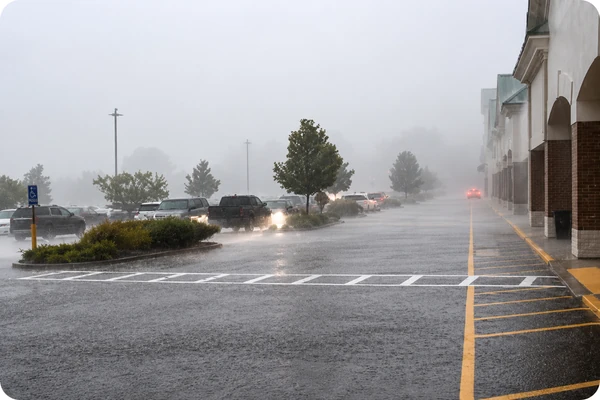
Hurricane season officially runs from June 1 through November 30, and while the Mid-Atlantic is not impacted by hurricanes as frequently as coastal southern states, Maryland, Washington DC, Northern Virginia, and Delaware regularly experience the effects of tropical storms and hurricane remnants. Heavy rainfall, saturated ground, high winds, and localized flooding can quickly overwhelm stormwater management systems that have not been properly maintained.
For commercial property owners, property managers, HOAs, municipalities, and government facilities, preparing stormwater systems before major storm events helps reduce the risk of flooding, erosion, infrastructure damage, and costly emergency repairs.
This guide explains how hurricane season affects stormwater facilities and the preventative maintenance steps that can help keep systems functioning when they’re needed most.
Why Hurricane Season Matters for Stormwater Systems
Many people associate hurricanes with coastal flooding, but inland commercial properties often experience damage from excessive rainfall long before hurricane-force winds arrive.
A single tropical system can produce:
- Several inches of rain within a few hours
- Rapid increases in stormwater runoff
- Sediment movement throughout drainage systems
- Debris carried into inlets and pipes
- Bank erosion around ponds and channels
- Overflowing detention or retention facilities
Stormwater systems are designed to manage runoff, but they rely on available storage capacity and unobstructed flow paths. Deferred maintenance significantly reduces their ability to perform during extreme weather.
Common Stormwater Problems During Tropical Storms
Clogged Catch Basins and Inlets
Leaves, trash, mulch, and sediment often accumulate throughout the spring and early summer. During intense rainfall, these materials can block drainage structures before water ever reaches the underground system.
Blocked inlets commonly result in:
- Parking lot flooding
- Water entering buildings
- Standing water around sidewalks
- Increased liability hazards
Routine cleaning before hurricane season restores proper water flow.
Sediment-Filled Ponds
Detention and retention ponds gradually lose storage capacity as sediment accumulates.
During large storm events, reduced storage means ponds may reach capacity faster than intended, increasing the likelihood of:
- Higher water elevations
- Overtopping
- Shoreline erosion
- Sediment transport downstream
If sediment has significantly reduced pond volume, dredging may be necessary to restore design capacity.
Obstructed Pipes and Culverts
Stormwater pipes can become partially blocked by:
- Sediment
- Tree roots
- Trash
- Vegetation
- Debris washed downstream
Even partial blockages reduce the amount of water the system can convey during peak rainfall.
Jet cleaning and CCTV inspections can identify hidden issues before they become emergency failures.
Damaged Outfalls
Stormwater outfalls discharge runoff into receiving streams or waterways.
Following repeated storms, outfalls may experience:
- Scour
- Undermining
- Missing riprap
- Soil erosion
- Pipe separation
These issues often worsen rapidly during high-flow events.
Vegetation Overgrowth
Overgrown vegetation can obstruct:
- Swales
- Forebays
- Low-flow channels
- Access roads
- Control structures
Routine mowing and vegetation management help maintain proper hydraulic performance while allowing inspections to identify developing issues.
Hurricane Season Preparation Checklist
A proactive inspection several weeks before peak storm activity can identify maintenance needs before heavy rainfall arrives.
1. Inspect Drainage Structures
Inspect:
- Catch basins
- Curb inlets
- Yard drains
- Area drains
- Grates
- Manholes
Remove accumulated debris before storms begin.
2. Clean Stormwater Facilities
Preventative maintenance may include:
- Vacuuming structures
- Jetting pipes
- Removing sediment
- Cleaning vaults
- Cleaning proprietary treatment devices
- Removing accumulated trash
Cleaning before major storms improves flow throughout the entire drainage system.
3. Inspect Control Structures
Control structures regulate water leaving detention facilities.
Inspect for:
- Blocked orifices
- Damaged outlet pipes
- Structural deterioration
- Debris accumulation
- Signs of erosion
Small obstructions can significantly reduce system performance during heavy rainfall.
4. Evaluate Pond Capacity
If your pond has noticeable sediment accumulation, shallow areas, or reduced storage, schedule an evaluation before hurricane season reaches its peak.
Sediment removal is typically far less disruptive when planned than when emergency work becomes necessary after a major storm.
5. Repair Erosion Before It Expands
Existing erosion rarely stays the same after heavy rain.
Repair areas showing:
- Bare soil
- Undercut banks
- Washed-out channels
- Damaged riprap
- Sinkholes
- Embankment instability
Stabilizing these areas before large storms helps prevent more extensive repairs later.
6. Confirm Emergency Access
Stormwater facilities often become inaccessible after storms if vegetation blocks maintenance roads or gates.
Ensure crews can safely access:
- Ponds
- Vaults
- Control structures
- Outfalls
- Pump stations (where applicable)
Quick access allows faster response if post-storm maintenance is required.
Hurricane Preparation Is Especially Important in the Mid-Atlantic
Commercial properties throughout the Mid-Atlantic face unique stormwater challenges because the region experiences a combination of coastal storms, inland flooding, and increasingly intense rainfall events.
Properties throughout Maryland, Washington DC, Northern Virginia, and Delaware may experience significant runoff even when hurricanes make landfall hundreds of miles away.
Facilities located near tidal waterways, floodplains, steep slopes, or aging stormwater infrastructure may be particularly vulnerable to erosion and flooding during prolonged rainfall.
Don’t Wait Until the Forecast Shows a Hurricane
Stormwater maintenance contractors often experience a surge in emergency service requests immediately before and after major storm events.
Scheduling inspections and maintenance well before peak hurricane activity provides several advantages:
- More scheduling flexibility
- Time to complete necessary repairs
- Reduced emergency costs
- Better system performance
- Lower flood risk
- Improved regulatory compliance
Preventative maintenance also gives property managers greater confidence that stormwater systems are prepared for whatever the season brings.
After the Storm: Why Follow-Up Inspections Matter
Even well-maintained systems should be inspected after significant storm events.
Post-storm inspections can identify:
- Newly deposited sediment
- Erosion
- Pipe damage
- Displaced riprap
- Clogged outlets
- Structural damage
- Debris accumulation
- Safety concerns
Addressing these issues promptly helps restore system performance and can prevent minor damage from developing into more costly repairs.
Prepare Before the Next Major Storm
Stormwater systems perform best when maintenance happens before severe weather arrives – not after flooding has already occurred.
Whether your property includes detention ponds, underground vaults, stormwater filters, pipes, culverts, or other best management practices (BMPs), a proactive maintenance plan can help reduce risk throughout hurricane season.
At iSTORMWATER, we provide stormwater inspections, preventative maintenance, sediment removal, pond maintenance, pipe cleaning, proprietary BMP maintenance, and stormwater repairs for commercial properties throughout Maryland, Washington DC, Northern Virginia, and Delaware. Preparing your system before hurricane season helps protect your property, supports regulatory compliance, and reduces the likelihood of costly emergency repairs when heavy rains arrive.
📞 Call us at (410) 231-3455 or 💬 Contact us online.


Real Results
iStormwater LLC was an excellent choice. They made the process of the Stormwater pond repairs seamless. They took charge of the project and got the project approved and passing the inspection. We highly recommend them and would use them again.
Incredible stormwater management service. The owner John consulted on a property I manage and ended up saving us thousands of dollars in environmental fees from the government. Now, our property is compliant with the EPA and we have a great partner to keep us maintained on stormwater regulations over time.
So helpful with all of my water issues.
Great communication and leadership and a family friendly atmosphere. Thank you John!
Belowground stormwater treatment systems do a significant amount of work out of sight. While the surface of a property may appear clean and well-maintained, underground...
- Annapolis
- Anne Arundel County
- Baltimore County
- Baltimore
- Bel Air South
- Bethesda
- Bowie
- Cecil County
- Charles County
- Columbia
- Gaithersburg
- Glen Burnie
- Howard County
- Montgomery County
- Pasadena
- Prince George’s County
- Rockville
- Severna Park
- St. Mary’s County