

Stormwater Pipe Sliplining: A Lower-Disruption Repair Option
When underground stormwater infrastructure begins to fail, property owners and managers are often faced with a difficult decision: repair the system or replace it entirely.
In many cases, full excavation and replacement may not be necessary. Modern trenchless rehabilitation methods, including sliplining, can restore structural integrity and extend the lifespan of aging stormwater pipes while minimizing disruption to developed properties.
For commercial sites, HOAs, industrial facilities, municipalities, and property managers, understanding the difference between sliplining and traditional pipe replacement can help improve long-term budgeting, reduce operational disruptions, and protect stormwater compliance.
What Is Sliplining?
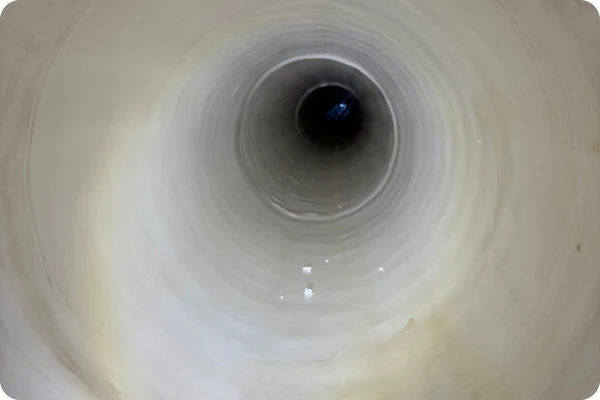
Sliplining is a trenchless pipe rehabilitation method used to restore deteriorated underground piping systems without fully excavating and replacing the original pipe.
The process involves inserting a new, smaller pipe liner inside the existing damaged pipe. Once installed, the space between the old and new pipe is sealed or grouted to create a structurally improved conveyance system.
Sliplining is commonly used in:
- Stormwater conveyance systems
- Underground detention facilities
- Culverts
- Corrugated metal pipe (CMP) systems
- Reinforced concrete pipe (RCP) systems
- Large-diameter drainage infrastructure
- Commercial storm drain systems
Because the existing pipe remains in place, excavation requirements are often significantly reduced compared to traditional replacement projects.
What Causes Underground Stormwater Pipes to Fail?
Stormwater pipes are constantly exposed to moisture, sediment, changing temperatures, hydraulic pressure, and soil movement. Over time, these conditions can cause underground systems to deteriorate.
Some of the most common causes of stormwater pipe failure include:
Corrosion
Corrugated metal pipes are especially vulnerable to corrosion as protective coatings deteriorate over time. Corrosion can weaken the pipe wall and eventually lead to structural failure.
Joint Separation
Ground movement and age can cause pipe joints to separate, allowing infiltration, exfiltration, and soil migration.
Sediment Accumulation
Excess sediment buildup can reduce pipe capacity, increase maintenance issues, and accelerate deterioration.
Soil Settlement
Shifting soils and poor backfill conditions may place additional stress on underground pipes.
Root Intrusion
Tree roots can enter damaged joints or cracks and create blockages or structural damage.
Hydraulic Wear
High-velocity flows and abrasive sediment can gradually wear down pipe interiors and inverts.
Many of these issues develop gradually, which is why routine stormwater inspections are critical for identifying problems before major failures occur.
Signs a Stormwater Pipe May Need Rehabilitation or Replacement
Underground stormwater problems often appear long before total collapse occurs.
Common warning signs include:
- Sinkholes or depressions above underground pipe runs
- Standing water or recurring flooding
- Erosion near outfalls or drainage structures
- Repeated blockages or backups
- Visible corrosion or pipe deterioration
- Cracked structures or separated joints
- Sediment washing into downstream systems
- Frequent maintenance issues in the same location
- Pipe deformation or collapse identified during inspections
When these conditions are identified early, rehabilitation methods like sliplining may help avoid larger reconstruction projects.
How Sliplining Differs from Full Pipe Replacement
While both methods address damaged infrastructure, the scope, cost, and property impact can vary significantly.
Traditional Pipe Replacement
Traditional replacement involves excavating and removing the damaged pipe before installing a new system.
This process often requires:
- Large-scale excavation
- Pavement demolition
- Traffic control measures
- Utility coordination
- Site restoration
- Landscaping repairs
- Longer project timelines
Full replacement may be necessary when the existing pipe has fully collapsed, lacks structural stability, or no longer meets hydraulic requirements.
Sliplining Rehabilitation
Sliplining uses the existing pipe as a host structure while installing a new liner within the damaged system.
This method can often reduce:
- Surface disruption
- Excavation requirements
- Property downtime
- Restoration costs
- Traffic impacts
- Overall project timelines
Sliplining is frequently considered when the pipe still retains enough structural continuity to support rehabilitation.
Benefits of Sliplining for Commercial Properties
For many developed commercial sites, minimizing disruption is just as important as repairing the stormwater system itself.
Reduced Surface Damage
Parking lots, sidewalks, landscaping, and paved surfaces often remain largely intact during trenchless rehabilitation projects.
Lower Restoration Costs
Because less excavation is required, property owners may avoid significant reconstruction and repaving expenses.
Faster Project Completion
Trenchless rehabilitation projects can often be completed more efficiently than full replacement projects.
Extended Infrastructure Lifespan
Sliplining can significantly extend the usable life of aging underground stormwater systems.
Improved Structural Integrity
Rehabilitation systems help restore pipe performance while reducing the risk of future failures.
Reduced Operational Disruption
Commercial facilities, HOAs, and municipalities may experience less interruption to daily operations.
When Full Pipe Replacement May Still Be Necessary
Although sliplining offers many advantages, it is not appropriate for every situation.
Full replacement may still be required when:
- The pipe has fully collapsed
- Severe deformation prevents liner installation
- Hydraulic capacity must be significantly increased
- The system alignment has failed
- Existing infrastructure no longer meets design requirements
- Multiple interconnected structures are failing simultaneously
A professional inspection and condition assessment can help determine which repair strategy is most appropriate.
The Importance of Stormwater Inspections Before Rehabilitation
Before any rehabilitation or replacement project begins, underground stormwater systems should be thoroughly evaluated.
Camera inspections and condition assessments help identify:
- Structural deterioration
- Joint separation
- Corrosion levels
- Pipe deformation
- Sediment accumulation
- Infiltration issues
- Areas of collapse or instability
Inspection data helps engineers and contractors determine whether rehabilitation methods like sliplining are viable or whether replacement is necessary.
Routine inspections also help property owners plan proactive repairs before emergency failures occur.
Rehabilitation Can Help Support Stormwater Compliance
Failing underground stormwater infrastructure can contribute to:
- Flooding issues
- Sediment discharge
- Erosion problems
- Water quality concerns
- Regulatory compliance violations
Maintaining underground conveyance systems helps commercial properties and municipalities support proper drainage performance and reduce the likelihood of costly repairs or notices of violation.
For facilities with aging infrastructure, proactive rehabilitation may help reduce long-term liability and maintenance costs.
Choosing the Right Stormwater Repair Approach
Every underground stormwater system is different. The right repair strategy depends on:
- Pipe material
- Structural condition
- Hydraulic requirements
- Site accessibility
- Surface conditions
- Property operations
- Budget considerations
- Long-term maintenance goals
In many cases, trenchless rehabilitation methods provide a practical middle ground between minor repairs and full system reconstruction.
Working with experienced stormwater professionals can help property owners evaluate available options and prioritize long-term system performance.
Stormwater Rehabilitation Services from iSTORMWATER
At iSTORMWATER, we provide inspection, maintenance, repair, and rehabilitation solutions for commercial stormwater systems throughout Maryland, Washington, DC, Virginia, Delaware, and Pennsylvania.
Our team works with property managers, HOAs, contractors, engineers, and facility owners to help identify underground stormwater issues and recommend practical long-term solutions.
Services include:
- Underground stormwater inspections
- Stormwater maintenance programs
- Pipe rehabilitation support
- Sliplining
- Stormwater repairs
- Vacuum truck services
- Underground detention system maintenance
- Compliance-focused stormwater services
If your underground stormwater infrastructure is showing signs of deterioration, proactive evaluation and rehabilitation may help prevent larger structural failures and costly emergency repairs.
Contact iSTORMWATER to learn more about stormwater pipe rehabilitation and underground infrastructure maintenance services.
📞 Call us at (410) 231-3455 or 💬 Contact us online.


Real Results
iStormwater LLC was an excellent choice. They made the process of the Stormwater pond repairs seamless. They took charge of the project and got the project approved and passing the inspection. We highly recommend them and would use them again.
Incredible stormwater management service. The owner John consulted on a property I manage and ended up saving us thousands of dollars in environmental fees from the government. Now, our property is compliant with the EPA and we have a great partner to keep us maintained on stormwater regulations over time.
So helpful with all of my water issues.
Great communication and leadership and a family friendly atmosphere. Thank you John!
Buying a commercial property means evaluating much more than the building, parking lot, roof, utilities, and financials. The property's stormwater management system can carry its...
- Annapolis
- Anne Arundel County
- Baltimore County
- Baltimore
- Bel Air South
- Bethesda
- Bowie
- Cecil County
- Charles County
- Columbia
- Gaithersburg
- Glen Burnie
- Howard County
- Montgomery County
- Pasadena
- Prince George’s County
- Rockville
- Severna Park
- St. Mary’s County