

What Causes Stormwater Systems to Overflow?
Stormwater management systems are designed to capture, convey, store, and treat runoff during rainfall events. When functioning properly, these systems help prevent flooding, reduce erosion, protect water quality, and support regulatory compliance.
However, even well-designed stormwater facilities can experience overflow conditions. When water exceeds a system’s capacity or encounters an obstruction, the result can be flooding, property damage, erosion, sediment transport, and costly repairs.
Understanding what causes stormwater systems to overflow can help property owners, facility managers, HOAs, and commercial property managers identify risks before they become major problems.
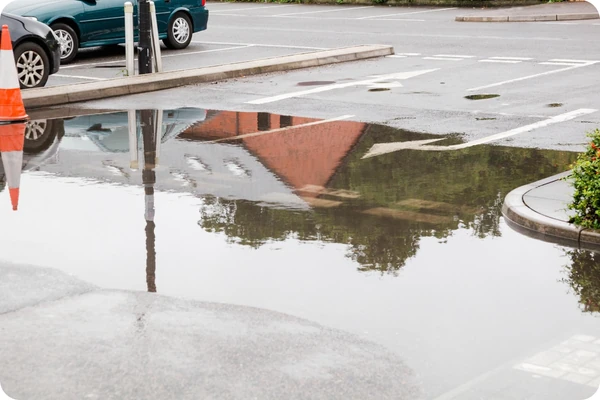
What Is a Stormwater Overflow?
A stormwater overflow occurs when runoff cannot move through a stormwater system as intended. Water may back up within pipes, catch basins, inlets, ponds, vaults, filters, or other stormwater facilities and eventually spill beyond designed containment areas.
While extreme rainfall events can contribute to overflows, many overflow incidents are actually caused by preventable maintenance or infrastructure issues.
1. Sediment Accumulation Reduces Capacity
Sediment is one of the most common causes of stormwater system overflow.
As runoff moves across developed properties, it carries soil particles, sand, debris, and organic matter into stormwater infrastructure. Over time, these materials settle within:
- Catch basins
- Storm drain pipes
- Detention ponds
- Retention ponds
- Sand filters
- Hydrodynamic separators
- Underground vaults
As sediment accumulates, the available storage volume within the system decreases. During storm events, facilities can reach capacity more quickly, increasing the likelihood of overtopping or backup conditions.
Sediment accumulation is especially problematic in stormwater ponds where years of buildup can significantly reduce storage volume if dredging or sediment removal is delayed.
2. Blocked Inlets and Outlets
Stormwater systems rely on unobstructed flow paths.
Leaves, trash, branches, mulch, litter, and accumulated debris can block:
- Curb inlets
- Yard drains
- Grates
- Outlet structures
- Pipes
- Overflow weirs
When these components become clogged, runoff cannot enter or exit the system efficiently. Water may begin ponding in parking lots, roadways, landscaped areas, or around structures.
Even a relatively small blockage can create significant flooding during a heavy rain event.
3. Excessive Vegetation Growth
Vegetation plays an important role in many stormwater facilities, particularly bioretention systems, constructed wetlands, and stormwater ponds.
However, unmanaged vegetation can become problematic when it:
- Restricts water flow
- Obstructs outlet structures
- Covers inspection points
- Traps additional sediment
- Prevents proper drainage
In detention and retention ponds, invasive vegetation can reduce storage capacity and interfere with the facility’s ability to manage runoff effectively.
Regular vegetation management helps maintain both hydraulic performance and regulatory compliance.
4. Damaged or Deteriorated Infrastructure
Aging stormwater infrastructure can contribute directly to overflow conditions.
Common issues include:
- Collapsed pipes
- Cracked structures
- Joint separation
- Sinkholes
- Pipe deformation
- Structural failures within vaults or manholes
When conveyance systems become damaged, flow may be restricted or redirected. Water can back up upstream, causing localized flooding and increasing pressure on surrounding infrastructure.
Many underground defects remain hidden until an inspection or overflow event reveals the problem.
5. Undersized Systems for Current Site Conditions
Many stormwater facilities were designed based on site conditions that existed years or even decades ago.
Over time, properties often experience changes such as:
- Additional buildings
- Parking lot expansions
- Increased impervious surface coverage
- Site redevelopment
- Changes in drainage patterns
These modifications can generate more runoff than the original system was designed to manage.
As runoff volumes increase, existing infrastructure may become overwhelmed during storm events, resulting in recurring overflow problems.
6. Lack of Routine Maintenance
Routine maintenance is often the factor that separates a reliable stormwater system from one that experiences frequent issues.
Without regular inspections and maintenance, small problems can go unnoticed, including:
- Early sediment buildup
- Minor blockages
- Erosion
- Structural deterioration
- Vegetation overgrowth
Over time, these seemingly minor issues compound and reduce overall system performance.
Preventative maintenance programs help identify and address developing concerns before they lead to flooding, compliance violations, or expensive emergency repairs.
7. Extreme Rainfall Events
Stormwater systems are designed according to specific storm frequency and intensity criteria.
When rainfall exceeds those design assumptions, even properly maintained facilities may experience temporary overflow conditions.
Recent weather patterns have increased the frequency of intense rainfall events in many regions, placing additional stress on aging stormwater infrastructure.
While no system can completely eliminate flood risk during every storm event, properly maintained facilities generally perform much better than neglected systems under the same conditions.
8. Failed Stormwater Treatment Components
Many stormwater facilities contain treatment devices designed to remove pollutants before runoff is discharged.
Examples include:
- Sand filters
- Stormwater cartridges
- Hydrodynamic separators
- Oil-grit separators
- Proprietary treatment systems
When these components become clogged or reach their sediment storage limits, flow can become restricted. Reduced treatment capacity may eventually contribute to backups and overflow conditions throughout the system.
Regular maintenance is essential to ensure treatment systems continue functioning as designed.
Warning Signs Your Stormwater System May Be at Risk of Overflow
Property owners should monitor for warning signs that indicate reduced system performance, including:
- Standing water after rainfall
- Frequent ponding in parking lots
- Erosion around stormwater facilities
- Sediment accumulation at inlets
- Blocked grates or structures
- Water backing up from drains
- Excessive vegetation growth
- Sinkholes or settling ground
- Visible structural damage
Addressing these issues early can help avoid larger repairs and operational disruptions.
How to Prevent Stormwater System Overflows
While some weather-related challenges are unavoidable, many overflow events can be prevented through proactive management.
Best practices include:
- Conducting routine inspections
- Removing accumulated sediment
- Cleaning catch basins and pipes
- Managing vegetation growth
- Repairing damaged infrastructure
- Monitoring treatment system performance
- Updating aging facilities when necessary
- Establishing a preventative maintenance plan
A comprehensive maintenance strategy helps preserve system capacity, improve performance, and reduce long-term costs.
Protect Your Stormwater System Before Problems Escalate
Stormwater overflows rarely occur without warning. In many cases, they result from gradual capacity loss, deferred maintenance, hidden structural issues, or changing site conditions.
By understanding the common causes of overflow and addressing problems proactively, property owners can reduce flood risks, maintain compliance, and extend the life of their stormwater infrastructure.
Regular inspections and maintenance provide valuable insight into system conditions and help ensure stormwater facilities continue performing as designed when they are needed most.
📞 Call us at (410) 231-3455 or 💬 Contact us online.


Real Results
iStormwater LLC was an excellent choice. They made the process of the Stormwater pond repairs seamless. They took charge of the project and got the project approved and passing the inspection. We highly recommend them and would use them again.
Incredible stormwater management service. The owner John consulted on a property I manage and ended up saving us thousands of dollars in environmental fees from the government. Now, our property is compliant with the EPA and we have a great partner to keep us maintained on stormwater regulations over time.
So helpful with all of my water issues.
Great communication and leadership and a family friendly atmosphere. Thank you John!
Buying a commercial property means evaluating much more than the building, parking lot, roof, utilities, and financials. The property's stormwater management system can carry its...
- Annapolis
- Anne Arundel County
- Baltimore County
- Baltimore
- Bel Air South
- Bethesda
- Bowie
- Cecil County
- Charles County
- Columbia
- Gaithersburg
- Glen Burnie
- Howard County
- Montgomery County
- Pasadena
- Prince George’s County
- Rockville
- Severna Park
- St. Mary’s County