

How to Reduce Stormwater Pollution From Parking Lots
Parking lots are more than just a place for vehicles – they’re also one of the largest contributors to stormwater pollution in urban and suburban areas. Oil drips, trash, tire particles, de-icing salts, and other pollutants build up on paved surfaces. When it rains, these contaminants are washed into storm drains and flow directly into local waterways, degrading water quality and harming aquatic life.
For commercial property managers, preventing parking lot stormwater pollution isn’t just good for the environment – it’s often required by local, state, and federal regulations. The good news: with proactive maintenance and smart planning, you can greatly reduce the impact.
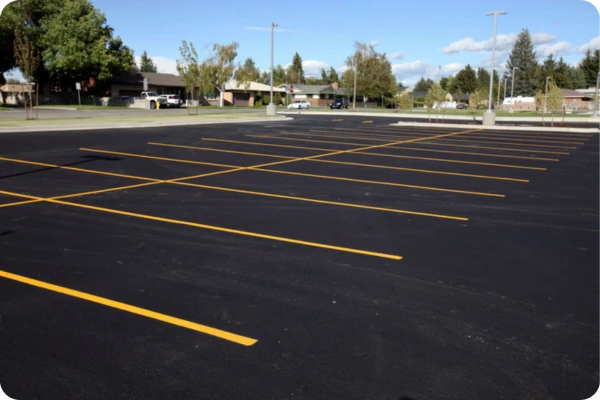
1. Schedule Regular Parking Lot Sweeping
Routine sweeping is one of the simplest and most effective ways to prevent pollutants from being washed into storm drains.
- Frequency matters: Heavily trafficked lots may need weekly sweeping, while lower-traffic lots can be maintained monthly.
- Equipment choice: High-efficiency sweepers remove fine particles that brooms and basic sweepers leave behind.
- Regulatory benefit: Many MS4 (Municipal Separate Storm Sewer System) permit programs recommend or require sweeping to minimize sediment and debris discharge.
2. Inspect & Maintain Existing Stormwater BMPs
Most established parking lots already have required stormwater Best Management Practices (BMPs) in place – but without regular inspections and upkeep, their performance can drop quickly.
- Schedule routine inspections to check for sediment buildup, trash accumulation, or clogged inlets.
- Service oil-grit separators and hydrodynamic devices regularly to keep them capturing hydrocarbons and debris effectively.
- Clean or replace filter inserts in catch basins as needed, especially after heavy rain events.
- Check bioretention areas and swales for erosion, invasive weeds, or dead vegetation that can hinder filtration.
- Document your maintenance to demonstrate compliance during regulatory inspections.
Pro tip: Many Notices of Violation (NOVs) occur because BMPs are in place but haven’t been maintained – not because they were never installed.
3. Keep Storm Drains Clear
Clogged drains cause standing water, which can increase pollutant buildup and create slip hazards.
- Inspect after storms: Check for leaves, litter, and debris.
- Mark storm drains with “No Dumping – Drains to Waterway” signage to discourage illegal dumping.
- Repair damaged grates to ensure they function properly.
4. Implement Spill Prevention & Response Plans
Parking lots are prone to oil, fuel, and chemical spills. Having a plan ensures quick containment.
- Stock spill kits with absorbent pads and booms.
- Train staff on proper spill response procedures.
- Act fast – the longer a spill sits, the more likely it will wash into the stormwater system.
5. Reduce the Need for Harmful De-Icers
In winter, excess salt and chemical de-icers can harm water quality.
- Pre-treat surfaces before storms to reduce material use.
- Choose eco-friendly alternatives like calcium magnesium acetate.
- Sweep excess salt after storms to prevent runoff contamination.
6. Consider Permeable or Porous Pavement Upgrades
While traditional asphalt sheds water, permeable paving allows rain to soak through and filter naturally into the ground.
- Benefits: Reduces runoff volume, filters pollutants, and can help meet stormwater permit requirements.
- Best for: Low-traffic or overflow parking areas, walkways, and landscaped zones.
Why It Matters for Your Property
Failing to control stormwater pollution from parking lots can lead to:
- Regulatory fines and Notices of Violation (NOVs)
- Costly emergency cleanups
- Reputation damage with tenants and the community
- Long-term environmental harm to local waterways
By taking preventive measures now, you’ll extend the life of your parking lot, stay compliant with stormwater regulations, and protect your community’s water resources.
Partner with iSTORMWATER for Parking Lot Pollution Prevention
From cleaning storm drains to maintaining oil-grit separators, iSTORMWATER helps commercial properties reduce their environmental impact and maintain compliance. Our certified team can inspect your site, recommend the right BMP maintenance schedule, and keep your stormwater systems performing at their best.
📞 Call iSTORMWATER today at (410) 231-3455 to schedule a parking lot stormwater inspection or 💬 Contact us online and take the first step toward cleaner, compliant runoff.



Real Results
iStormwater LLC was an excellent choice. They made the process of the Stormwater pond repairs seamless. They took charge of the project and got the project approved and passing the inspection. We highly recommend them and would use them again.
Incredible stormwater management service. The owner John consulted on a property I manage and ended up saving us thousands of dollars in environmental fees from the government. Now, our property is compliant with the EPA and we have a great partner to keep us maintained on stormwater regulations over time.
So helpful with all of my water issues.
Great communication and leadership and a family friendly atmosphere. Thank you John!
Buying a commercial property means evaluating much more than the building, parking lot, roof, utilities, and financials. The property's stormwater management system can carry its...
- Annapolis
- Anne Arundel County
- Baltimore County
- Baltimore
- Bel Air South
- Bethesda
- Bowie
- Cecil County
- Charles County
- Columbia
- Gaithersburg
- Glen Burnie
- Howard County
- Montgomery County
- Pasadena
- Prince George’s County
- Rockville
- Severna Park
- St. Mary’s County