

What a Vac Truck Does in Stormwater Maintenance
Stormwater systems are designed to capture sediment, trash, and pollutants before runoff reaches nearby waterways. But those pollutants don’t disappear – they accumulate in catch basins, forebays, storm drain structures, and other parts of the system.
That’s where vacuum trucks (often called vac trucks) play an essential role.
A vac truck is one of the most effective tools used in stormwater maintenance. By removing sediment, debris, and accumulated pollutants, vac trucks help keep stormwater systems functioning as designed and help property owners stay compliant with environmental regulations.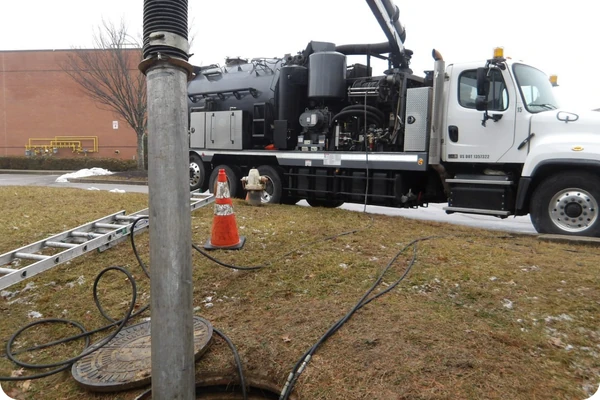
What Is a Vac Truck?
A vacuum truck is a specialized service vehicle equipped with a high-powered vacuum system and a debris storage tank. The truck uses suction hoses to remove materials such as sediment, sludge, trash, and organic debris from stormwater infrastructure.
In stormwater maintenance, vac trucks are commonly used to clean:
-
Catch basins and storm drain inlets
-
Stormwater forebays
-
Underground stormwater structures
-
Sediment traps and sumps
-
Stormwater treatment devices
-
Conveyance structures such as manholes and pipes
The vacuum system pulls water and debris through a hose into a sealed tank, allowing crews to remove accumulated material quickly and safely.
Why Vac Trucks Are Important for Stormwater Systems
Stormwater systems are designed with storage areas that intentionally capture pollutants. Over time, these areas fill up with sediment and debris.
If that material isn’t removed, several problems can occur:
Loss of Stormwater Treatment Capacity
Stormwater structures like catch basins and forebays are built with sediment storage capacity. When sediment fills that space, the structure can no longer trap pollutants effectively.
Regular vacuum removal restores the system’s designed capacity.
Increased Flooding Risk
Sediment and debris buildup can restrict water flow through inlets, pipes, and structures. This can lead to:
-
Blocked storm drains
-
Standing water
-
Localized flooding during storms
Vac truck cleaning helps maintain proper drainage and system performance.
Regulatory Compliance
Many commercial properties, industrial facilities, and government sites are required to maintain stormwater infrastructure under MS4 permits or local stormwater regulations.
Routine maintenance – including debris removal – is often necessary to remain compliant.
Vac trucks provide an efficient way to remove captured pollutants and document maintenance activities.
How Vac Trucks Are Used During Stormwater Maintenance
Stormwater maintenance crews use vac trucks as part of a broader inspection and cleaning process.
1. Structure Inspection
Before cleaning begins, crews inspect the stormwater structure to evaluate:
-
Sediment depth
-
Debris accumulation
-
Structural condition
-
Any visible blockages
This helps determine the level of cleaning required.
2. Vacuum Removal
The operator places a large suction hose into the structure and the vacuum system then removes:
-
Sediment
-
Organic debris (leaves, vegetation)
-
Trash
-
Standing water and sludge
All material is transferred into the truck’s debris tank.
3. Final Cleaning
In some cases, crews may use water spray or manual tools to loosen compacted sediment before vacuuming it out. This ensures the structure is fully cleared.
4. Transport and Disposal
Once the truck tank is full, the collected material is transported to an approved disposal or processing facility. Proper disposal is an important part of stormwater pollution control.
Common Stormwater Structures Cleaned With Vac Trucks
Vac trucks are used across a wide range of stormwater infrastructure. Some of the most common include:
Catch Basins and Storm Drains
Catch basins collect sediment, trash, and debris from paved areas such as parking lots, loading areas, and roadways.
These structures typically include a sump designed to trap sediment before runoff enters the storm drain system. Over time, this sump fills with sand, leaves, organic debris, and trash.
Vac trucks are commonly used to remove this accumulated material and restore the structure’s storage capacity.
Storm Drain Manholes and Conveyance Structures
Storm drain networks often include manholes, junction structures, and underground pipe connections that allow access to the drainage system.
Sediment can settle in these areas over time, especially where pipes change direction or where flow slows down. Vacuum trucks allow crews to remove this buildup without excavation, helping maintain proper water flow through the system.
Stormwater Ponds and Sediment Traps
Stormwater ponds and sediment traps capture larger amounts of sediment before runoff moves downstream.
Vac trucks are often used to remove localized sediment accumulation, particularly around inlet areas or smaller sediment collection zones. In larger ponds, vacuum trucks may be used as part of a broader sediment removal process.
Proprietary Stormwater Treatment Devices
Many commercial properties use manufactured stormwater treatment systems installed underground to filter pollutants from runoff.
These systems typically include chambers that capture sediment, trash, oils, and other pollutants before water leaves the structure. Over time, those chambers fill with debris and must be cleaned to maintain treatment performance.
Vac trucks are commonly used to service systems such as:
-
Contech StormFilter
-
CDS (Continuous Deflective Separation) units
-
Hydrodynamic separators
-
Stormceptor systems
-
BaySaver units
-
Downstream Defender systems
During maintenance, the vac truck removes accumulated sediment, floatables, and standing water from the treatment chamber so the system can continue operating as designed.
Signs That Stormwater Structures May Need Vac Truck Cleaning
Property managers and facility operators may notice several indicators that maintenance is needed:
-
Sediment visible at the top of catch basin sumps
-
Trash or organic debris blocking inlets
-
Standing water in drainage structures
-
Reduced drainage during rainfall
-
Vegetation growing inside stormwater structures
Routine inspections help identify these issues before they lead to larger problems.
How Often Vac Truck Maintenance Is Needed
The frequency of vacuum cleaning depends on several factors:
-
Amount of impervious surface on the property
-
Traffic levels in parking areas
-
Nearby construction activity
-
Local sediment loads
-
Stormwater system design
Many stormwater structures are inspected annually, with cleaning performed as needed based on sediment accumulation.
High-traffic commercial sites or industrial facilities may require more frequent service.
The Role of Vac Trucks in Long-Term Stormwater Performance
Vac trucks are not just a convenience – they are a critical part of keeping stormwater systems functioning properly over time.
By removing sediment and debris before they cause problems, vacuum cleaning helps:
-
Preserve stormwater treatment performance
-
Protect downstream waterways
-
Extend the lifespan of stormwater infrastructure
-
Maintain compliance with environmental regulations
For commercial properties, government facilities, and industrial sites, routine vac truck maintenance is often one of the most effective ways to keep stormwater systems operating as intended.
📞 Call us at (410) 231-3455 or 💬 Contact us online.



Real Results
iStormwater LLC was an excellent choice. They made the process of the Stormwater pond repairs seamless. They took charge of the project and got the project approved and passing the inspection. We highly recommend them and would use them again.
Incredible stormwater management service. The owner John consulted on a property I manage and ended up saving us thousands of dollars in environmental fees from the government. Now, our property is compliant with the EPA and we have a great partner to keep us maintained on stormwater regulations over time.
So helpful with all of my water issues.
Great communication and leadership and a family friendly atmosphere. Thank you John!
Buying a commercial property means evaluating much more than the building, parking lot, roof, utilities, and financials. The property's stormwater management system can carry its...
- Annapolis
- Anne Arundel County
- Baltimore County
- Baltimore
- Bel Air South
- Bethesda
- Bowie
- Cecil County
- Charles County
- Columbia
- Gaithersburg
- Glen Burnie
- Howard County
- Montgomery County
- Pasadena
- Prince George’s County
- Rockville
- Severna Park
- St. Mary’s County