

What Is a Stormwater Outfall?
Stormwater outfalls are one of the most overlooked – but critically important – components of a stormwater management system. While they often sit at the edge of a property, tucked into vegetation or hidden along a streambank, outfalls play a direct role in regulatory compliance, erosion control, and downstream water quality.
Understanding what a stormwater outfall is, how it functions, and why it requires regular inspection and maintenance can help property managers prevent costly repairs, avoid compliance issues, and protect surrounding waterways.
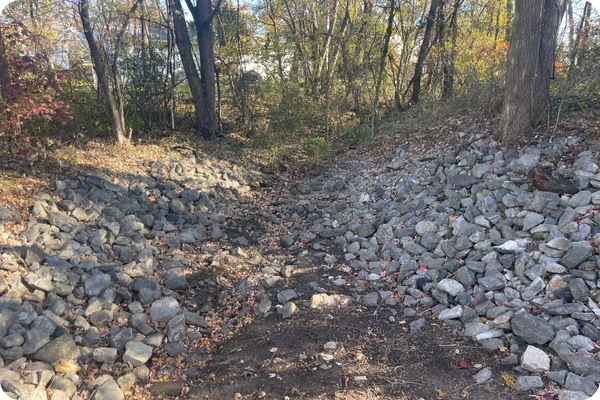
Stormwater Outfalls Explained
A stormwater outfall is the point where stormwater is discharged from a pipe, channel, or stormwater facility into a receiving waterbody or downstream system. This may include:
-
Streams or rivers
-
Lakes or ponds
-
Wetlands
-
Municipal storm sewer systems (MS4s)
-
Drainage swales or channels
Outfalls are typically the final exit point for runoff that has traveled through storm drains, ponds, vaults, or treatment devices on a site.
In simple terms: if stormwater is leaving your property through a pipe or structure, it’s exiting through an outfall.
Why Stormwater Outfalls Matter
Stormwater outfalls are more than just discharge points – they are closely tied to environmental protection and regulatory compliance.
Key Reasons Outfalls Are Important
-
Water quality protection: Pollutants not captured upstream are released at the outfall
-
Erosion prevention: High-velocity discharges can damage streambanks and channels
-
Permit compliance: Many stormwater permits require outfall inspections and monitoring
-
System performance: Outfall conditions often reveal upstream maintenance issues
Because outfalls directly impact receiving waters, regulators pay close attention to their condition.
Common Types of Stormwater Outfalls
Stormwater outfalls vary depending on site design, drainage area, and regulatory requirements. Common types include:
Pipe Outfalls
Concrete, HDPE, or metal pipes that discharge stormwater from underground systems.
Headwalls
Concrete or masonry structures that stabilize the pipe opening and protect surrounding soils.
Channel Outfalls
Open channels or swales that convey stormwater from a facility to a downstream system.
Energy Dissipation Structures
Features such as riprap aprons or plunge pools designed to slow water velocity and reduce erosion.
Each outfall type must be properly designed and maintained to function as intended.
Where Are Stormwater Outfalls Typically Located?
Stormwater outfalls are often found:
-
At the downstream edge of a property
-
Near retention or detention pond outlets
-
Along streambanks or drainage channels
-
Within vegetated buffer areas
-
Behind fencing or in restricted access zones
Because of their location, outfalls are frequently hidden by vegetation or debris, making them easy to miss during routine site walks.
Common Stormwater Outfall Problems
Outfalls are exposed to constant flow, weather, and debris – making them vulnerable to a range of issues.
Typical Outfall Issues Include:
-
Erosion and scour at the discharge point
-
Undermining of pipes or headwalls
-
Excessive sediment buildup
-
Blocked or restricted flow from debris or vegetation
-
Structural cracking or joint separation
-
Illicit discharges or staining indicating pollution
Left unaddressed, these issues can lead to downstream damage, system failure, and permit violations.
Stormwater Outfalls and Regulatory Compliance
Many stormwater permits – especially those associated with industrial facilities, MS4s, and large commercial sites – require routine outfall inspections.
Outfall inspections may involve:
-
Visual monitoring during or after rain events
-
Checking for non-stormwater discharges
-
Identifying erosion or structural damage
-
Documenting signs of pollution or sediment loss
Failing to properly inspect and maintain outfalls can result in citations, fines, or corrective action requirements.
Stormwater Outfall Inspection and Maintenance Best Practices
Proactive maintenance is key to extending the life of an outfall and maintaining compliance.
Recommended Best Practices:
-
Conduct regular visual inspections, especially after heavy rainfall
-
Remove debris, trash, and excessive vegetation
-
Repair erosion or undermining promptly
-
Maintain energy dissipation features
-
Document inspection findings for compliance records
Outfall conditions often reflect upstream issues, making them an important early warning indicator.
Why Professional Outfall Inspections Matter
While basic inspections can be performed in-house, professional inspections provide:
-
Trained identification of compliance risks
-
Early detection of structural failures
-
Accurate documentation for permits and audits
-
Recommendations tied to site-specific conditions
For complex sites or regulated facilities, professional support helps ensure nothing is overlooked.
Final Thoughts: Don’t Overlook the Outfall
Stormwater outfalls may sit at the edge of your property, but their impact extends far beyond it. Proper inspection and maintenance protect your site, support compliance, and safeguard downstream waterways.
If an outfall is hidden, damaged, or neglected, it’s often only a matter of time before small issues turn into costly problems.
📞 Call us at (410) 231-3455 or 💬 Contact us online.



Real Results
iStormwater LLC was an excellent choice. They made the process of the Stormwater pond repairs seamless. They took charge of the project and got the project approved and passing the inspection. We highly recommend them and would use them again.
Incredible stormwater management service. The owner John consulted on a property I manage and ended up saving us thousands of dollars in environmental fees from the government. Now, our property is compliant with the EPA and we have a great partner to keep us maintained on stormwater regulations over time.
So helpful with all of my water issues.
Great communication and leadership and a family friendly atmosphere. Thank you John!
Buying a commercial property means evaluating much more than the building, parking lot, roof, utilities, and financials. The property's stormwater management system can carry its...
- Annapolis
- Anne Arundel County
- Baltimore County
- Baltimore
- Bel Air South
- Bethesda
- Bowie
- Cecil County
- Charles County
- Columbia
- Gaithersburg
- Glen Burnie
- Howard County
- Montgomery County
- Pasadena
- Prince George’s County
- Rockville
- Severna Park
- St. Mary’s County