

The Lifecycle of a Stormwater Facility: From Installation to Rehabilitation
Stormwater facilities are built to manage runoff, reduce flooding, improve water quality, and help properties comply with local regulations. But installation is only the beginning.
Like any infrastructure, stormwater systems experience wear over time. Sediment accumulates, vegetation matures, components deteriorate, and changing site conditions can affect performance. Understanding the full lifecycle of a stormwater facility helps commercial property owners, property managers, HOAs, and facility managers plan maintenance, extend asset life, and avoid costly repairs.
Here’s what typically happens throughout the life of a stormwater facility – and what owners can do at each stage to keep it functioning as designed.
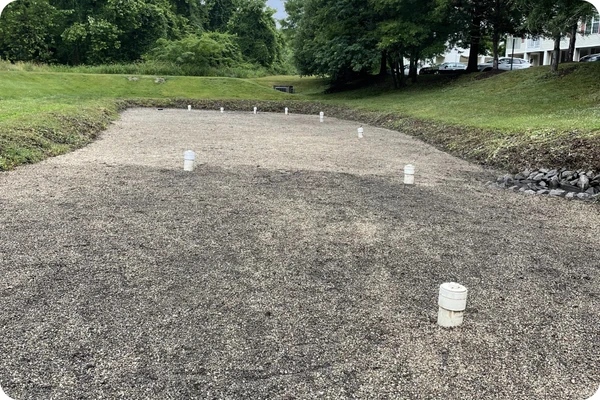
Stage 1: Design and Installation
Every stormwater facility begins with engineering and construction designed to meet local stormwater management requirements.
Depending on the site, a facility may include:
- Detention ponds
- Retention ponds
- Bioretention facilities (rain gardens)
- Sand filters
- Underground detention systems
- Stormwater vaults
- StormFilter systems
- Infiltration trenches
- Permeable pavement
- Swales and channels
- Proprietary treatment devices
Each system is designed around expected drainage areas, runoff volumes, pollutant removal goals, soil conditions, and maintenance accessibility.
Proper installation is critical. Even small construction deficiencies – such as improper grading, damaged outlet structures, or inadequate stabilization – can reduce long-term performance.
Stage 2: Establishment and Early Monitoring
The first year after installation is one of the most important periods in a facility’s lifecycle.
New vegetation becomes established, soils settle, and drainage patterns stabilize. During this period, owners should monitor for:
- Erosion
- Poor vegetation establishment
- Standing water where it shouldn’t occur
- Sediment migration
- Damaged outlet structures
- Blocked inlets
- Construction debris
Early inspections help identify warranty issues or installation deficiencies before they become larger problems.
For landscaped practices like bioretention areas, healthy vegetation is essential to long-term performance.
Stage 3: Routine Inspections
Once operational, regular inspections become the foundation of stormwater asset management.
Inspection frequency depends on:
- Local regulations
- Facility type
- Property use
- Maintenance agreements
- Permit requirements
Inspections typically evaluate:
- Sediment accumulation
- Structural integrity
- Inlet and outlet conditions
- Vegetation health
- Signs of erosion
- Standing water
- Debris accumulation
- Evidence of clogging
- Safety hazards
Many problems develop gradually. Catching them early allows maintenance to be scheduled before damage spreads.
Stage 4: Preventative Maintenance
Preventative maintenance is the longest phase of a stormwater facility’s lifecycle.
Routine maintenance helps preserve hydraulic capacity, maintain water quality performance, and reduce long-term costs.
Common maintenance activities include:
Sediment Removal
Sediment naturally accumulates as runoff carries soil and debris into the system.
Without periodic removal, storage volume decreases and treatment efficiency declines.
Debris Removal
Leaves, litter, branches, and trash can obstruct:
- Inlets
- Outlet structures
- Pipes
- Overflow systems
- Pretreatment devices
Removing debris helps maintain proper flow.
Vegetation Management
Healthy vegetation provides erosion control and pollutant filtration.
Maintenance may include:
- Mowing
- Selective pruning
- Invasive species removal
- Replanting
- Mulch replacement
- Weed control
Cleaning Treatment Devices
Many proprietary systems require scheduled maintenance, including:
- Cartridge cleaning
- Filter media replacement
- Vacuuming sediment
- Power washing components
- Oil and floatables removal
Following manufacturer recommendations helps maintain treatment efficiency.
Stage 5: Minor Repairs
As facilities age, individual components may require repair before larger rehabilitation becomes necessary.
Common repairs include:
- Replacing damaged outlet structures
- Pipe repairs
- Joint sealing
- Riprap restoration
- Concrete repairs
- Headwall repairs
- Catch basin adjustments
- Erosion stabilization
Addressing these issues promptly often prevents much larger restoration projects later.
Stage 6: Performance Decline
Even well-maintained facilities eventually begin showing signs of age.
Performance may decline because of:
- Long-term sediment accumulation
- Soil compaction
- Aging infrastructure
- Tree root intrusion
- Corrosion
- Concrete deterioration
- Repeated storm events
- Increased development upstream
- Changes in drainage patterns
Common warning signs include:
- Water remaining longer than designed
- Frequent flooding
- Visible erosion
- Sinkholes
- Blocked pipes
- Reduced infiltration
- Persistent standing water
- Structural deterioration
These issues indicate the system may require more than routine maintenance.
Stage 7: Rehabilitation
Rehabilitation restores a facility’s ability to perform as originally intended without necessarily replacing the entire system.
Rehabilitation may include:
- Pond dredging
- Sediment excavation
- Pipe replacement
- Sliplining deteriorated pipes
- Reconstructing outlet structures
- Rebuilding forebays
- Filter media replacement
- StormFilter cartridge replacement
- Regrading channels
- Reestablishing vegetation
- Reconstructing embankments
- Restoring infiltration capacity
Unlike emergency repairs, rehabilitation is typically planned to extend the useful life of the asset for many additional years.
Stage 8: Long-Term Asset Management
The most successful property owners view stormwater facilities as long-term infrastructure rather than one-time construction projects.
A proactive asset management approach includes:
- Scheduled inspections
- Routine maintenance
- Accurate maintenance records
- Budget planning
- Condition assessments
- Timely repairs
- Capital improvement planning
This approach helps avoid unexpected failures while supporting regulatory compliance.
Factors That Affect a Facility’s Lifespan
No two stormwater facilities age at the same rate.
Several factors influence longevity, including:
Maintenance Frequency
Facilities that receive consistent maintenance generally experience fewer major failures and maintain better performance over time.
Runoff Quality
Sites with high sediment loads, construction activity, heavy traffic, or poor erosion control often require more frequent maintenance.
Weather
Large storm events, repeated freeze-thaw cycles, and prolonged drought conditions can accelerate wear on both structural and vegetated systems.
Facility Type
Different practices have different maintenance needs. For example:
- Sand filters require periodic media maintenance.
- Underground vaults require sediment removal and confined-space access.
- Bioretention systems rely on healthy vegetation and infiltration.
- Detention ponds may eventually require dredging as sediment accumulates.
Why Delaying Maintenance Can Shorten a Facility’s Life
Many rehabilitation projects begin with maintenance that was postponed for years.
For example:
- Sediment reduces storage capacity.
- Blocked outlets increase hydraulic pressure.
- Erosion worsens during every major storm.
- Small structural cracks allow water infiltration that accelerates deterioration.
- Overgrown vegetation can obstruct access and hide developing problems.
Routine maintenance is generally far less expensive than restoring a neglected facility after significant deterioration has occurred.
Protecting Your Stormwater Investment
Stormwater facilities are designed for decades of service – but only when they receive ongoing care.
Regular inspections, preventative maintenance, timely repairs, and strategic rehabilitation help protect both the system and the property it serves. They also reduce the likelihood of compliance issues, emergency repairs, and costly capital replacements.
Whether your property includes a detention pond, underground detention system, sand filter, bioretention area, or proprietary treatment device, understanding its lifecycle allows you to make informed maintenance decisions that maximize performance throughout the life of the facility.
If your stormwater facility hasn’t been professionally inspected recently, now is a good time to assess its current condition and develop a maintenance plan that supports reliable performance for years to come.
📞 Call us at (410) 231-3455 or 💬 Contact us online.
Frequently Asked Questions
How long does a stormwater facility typically last?
The lifespan varies by facility type, construction quality, environmental conditions, and maintenance history. Many systems can remain effective for several decades when they receive regular inspections, maintenance, repairs, and periodic rehabilitation.
What’s the difference between maintenance and rehabilitation?
Maintenance consists of routine activities – such as sediment removal, mowing, debris cleanup, and inspections – that keep a facility operating properly. Rehabilitation is a larger-scale effort to restore lost performance through measures like dredging, replacing filter media, rebuilding outlet structures, or repairing deteriorated infrastructure.
How do I know when rehabilitation is needed?
Signs that rehabilitation may be necessary include recurring flooding, reduced storage capacity, persistent standing water, excessive sediment accumulation, structural damage, erosion, or repeated maintenance issues that no longer resolve performance problems.
Can routine maintenance delay rehabilitation?
Yes. Consistent preventative maintenance helps preserve storage capacity, reduce wear on system components, and identify issues early, often extending the time before major rehabilitation becomes necessary.


Real Results
iStormwater LLC was an excellent choice. They made the process of the Stormwater pond repairs seamless. They took charge of the project and got the project approved and passing the inspection. We highly recommend them and would use them again.
Incredible stormwater management service. The owner John consulted on a property I manage and ended up saving us thousands of dollars in environmental fees from the government. Now, our property is compliant with the EPA and we have a great partner to keep us maintained on stormwater regulations over time.
So helpful with all of my water issues.
Great communication and leadership and a family friendly atmosphere. Thank you John!
Belowground stormwater treatment systems do a significant amount of work out of sight. While the surface of a property may appear clean and well-maintained, underground...
- Annapolis
- Anne Arundel County
- Baltimore County
- Baltimore
- Bel Air South
- Bethesda
- Bowie
- Cecil County
- Charles County
- Columbia
- Gaithersburg
- Glen Burnie
- Howard County
- Montgomery County
- Pasadena
- Prince George’s County
- Rockville
- Severna Park
- St. Mary’s County